请留言

Blog

How to Choose Brand Packaging Suppliers in 2026?

How to Choose Brand Packaging Suppliers in 2026?

Choosing the right Brand Packaging supplier in 2026? Honestly, it’s not just about comparing price lists. You need evidence, a look inside the factory when you can get it, and some practical judgment. Smithers projects the global sustainable packaging market will hit roughly $393.7 billion by 2029. That’s a big opportunity, sure, but it also means more supplier claims flying around. Some of them sound impressive. Not all of them hold up once you start digging. The World Packaging Organisation points out that packaging matters for product protection, communication, and resource efficiency. And McKinsey research shows plenty of consumers care about sustainable packaging, though price and performance still shape what they actually buy. A responsible supplier has to balance all that. So ask for material certifications, recycled content records, testing results, and realistic production timelines. Visit the factory if you can. Look closely at sample edges, print alignment, closures, carton strength. Tiny defects get expensive fast at scale. Packaging strategist Evelio Mattos once said, 'Packaging is the most powerful medium in the world.' That matters because Brand Packaging Design shows up right at the moment of purchase. It has to protect the product and explain the brand quickly. But visual appeal alone won’t cut it. A beautiful package that leaks, delays launch, or can’t be recycled is just avoidable risk. The neat assumption? Yeah, real sourcing is messier than that. This guide looks at how to assess suppliers, compare capabilities, and push back on sustainability claims. It covers design support, minimum order quantities, quality control, communication, and supply resilience. The best partnership might not come with the lowest quote. What you really want is dependable execution, transparent evidence, and room to improve when the first solution isn’t perfect.
Read more »
James By:James - October 9, 2026
What Are the Top China Mailer Boxes for Global Buyers?

What Are the Top China Mailer Boxes for Global Buyers?

When it comes to global buyers, good-looking packaging isn’t the only thing that matters. They also need Mailer Boxes that do their job—protecting the products, showing off quality, and moving smoothly through international shipping. A sturdy box should really match the weight, size, and handling needs of the product, as well as the climate in the destination. Brands like Corrugated Mailer Boxes often strike a good balance between strength, presentation, and shipping efficiency—pretty much what you’re looking for. Most experienced sourcing teams will take a close look at things like flute type, board quality, closure design, print clarity, and size accuracy. For example, a tiny cosmetics brand might go for a compact 3-ply box with a tear strip, while a homeware business might need sturdier walls and reinforced corners. Before jumping into larger runs, it’s smart to test samples with drop tests, compression checks, and moisture exposure—these are the tests that reveal issues a bunch of product photos can’t show. Let’s sort this out—just because a box looks attractive doesn’t mean it performs well in real life. Some key suppliers like Packlane, Fantastapack, and International Paper can give you good reference points for structure and customization options. But don’t just take their word for it—always verify current specs directly. Doing factory audits, checking material declarations, reviewing production samples, and keeping clear inspection records really help you make smarter buying decisions. Also, keep in mind that packaging needs can change based on different markets, carriers, and product types. What works beautifully in one place might need tweaks elsewhere. And then there’s the cost — don’t just go for the cheapest price. A lower unit price might end up costing you more if the boxes get damaged often, don’t stack well, or leave too much empty space. On the flip side, over-doing it with extra strength can hike up shipping costs and lead to waste. The key is to weigh the actual performance—not just assumptions. It’s a good idea to compare the whole package—think protection, storage, branding, and how it ships—to find the real value. Even seasoned pros can get it wrong sometimes, so testing and reflecting on your options is always worth it.
Read more »
Sophie By:Sophie - October 4, 2026
2026 Best Types of Folding Paper Boxes for Buyers?

2026 Best Types of Folding Paper Boxes for Buyers?

Picking the right packaging in 2026 is more involved than just going for eye-catching graphics or a cheap quote. Buyers need to weigh up a bunch of factors—like the structure, paper quality, how well it protects the product, how good the printing looks, and what happens to the box at the end of its life. This guide takes a closer look at the best types of Folding Paper Boxes for various needs—whether it's retail, food, cosmetics, electronics, or subscription boxes. You’ll see options like straight-tuck boxes, reverse-tuck designs, auto-lock bottom boxes, sleeve boxes, window cartons, and folding mailers. Each type is designed to solve a specific packaging challenge. For example, tuck-end boxes are quick to open and great for lightweight items. Auto-lock bottoms add extra strength for heavier products. Window boxes make it easier for customers to see the product inside—though, heads up, their plastic film can make recycling a bit tricky. Natural looks come from recycled kraft paper, while brighter branding and sharper colors often come from solid bleached sulfate. And if you need extra protection during shipping, corrugated cartons are the way to go—without making everything bulky. Now, let's be honest—real buying decisions aren’t always perfect. You might pick a gorgeous box that still ends up getting crushed in transit. Or, go for a cheaper material that leads to higher replacement costs down the line. Little details matter a lot, so it’s worth checking things like the board thickness, fold precision, glue strength, coating compatibility, and even testing samples before committing to a big order. Don’t be shy—ask your suppliers for detailed info on materials, compression test results, ink options, and samples. Their answers can tell you a lot about their expertise and reliability. Of course, no one box is going to tick every single box. Your priorities might shift based on the product’s weight, your shelf and storage conditions, how far it has to travel, or what your customers expect. This overview is here to help your buying team compare options carefully, avoid common assumptions, and pick a Folding Paper Box that hits the right balance between looks, protection, price, and eco-friendliness.
Read more »
Sophie By:Sophie - September 29, 2026
How to Make Stickers with Printful

How to Make Stickers with Printful

Making stickers with Printful all starts with a pretty straightforward question: what do you want someone to notice when they see it from across a desk? Whether it’s a bold icon, a catchy phrase, or even a tiny illustrated coffee cup — all of these can work. But here’s the thing: if you toss in too many fine details, they might just get lost when you print the sticker small. So, it’s always best to keep the main shape clear and simple. Also, take a moment to see how your design looks against different backgrounds—light or dark—because that can really make a difference. And don’t forget, little details do matter, even if they’re tiny. You know, the graphic designer Paul Rand once said, “Design is so simple. That’s why it’s so complicated.” Truer words, especially when it comes to stickers. Sometimes, removing something like an extra border can actually make your design way easier to read than adding some fancy effect. When using Printful, creators can turn their original artwork into products without needing to fuss over printing machines or stock management. Pretty neat, right? But, here’s the catch: the final look depends heavily on thoughtful artwork and careful file prep. A quick preview on the screen can help, but keep in mind—it can’t really show you how the printed colors, texture, or how it actually feels in your hand will turn out. This guide will walk you through picking a sticker format, prepping your artwork, setting up your product on Printful, and checking over everything before you hit publish. Just a quick heads-up: always double-check Printful’s latest guidelines for product sizes and file specs—things change every now and then. When working on your design, zoom in on those thin lines, look closely at transparent edges, and if possible, order a sample. Sometimes, what looks great on your screen can feel a bit too crowded or off in print, and that’s totally normal. Remember, the goal isn’t to perfect your design on the first try—it’s about creating a clear, printable design that works well for what you’re imagining, whether that’s a personal project or a product to sell.
Read more »
Sophie By:Sophie - September 26, 2026
How to Choose Mailer Gift Boxes for Global Buyers?

How to Choose Mailer Gift Boxes for Global Buyers?

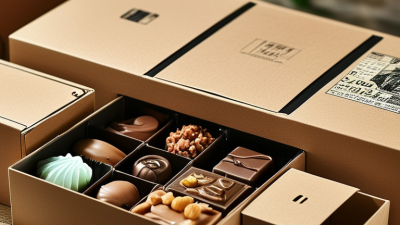
When it comes to choosing Mailer Gift Boxes for international buyers, it’s not just about pretty colors or getting the lowest price per unit. You’ve gotta think about a bunch of other things — like making sure the box keeps the product safe, doesn’t bulk up shipping costs too much, and gives customers a satisfying unboxing experience. Hey, DHL’s 2024 E-Commerce Trends Report covered this pretty well, surveying around 12,000 shoppers across 24 different markets. They found that things like easy delivery, confidence in cross-border shopping, and straightforward returns really matter when people decide to buy. And guess what? Packaging plays a big role at every one of those touchpoints. It all starts with considering the product’s journey from your hands to the customer’s door. For instance, a sturdy gift set might get squished in a fulfillment center, jostled around in a truck, or even face humidity near a coastal port. Usually, corrugated mailers offer better protection than just thin paperboard sleeves, but here’s the catch — using extra material can bump up the dimensional weight and potentially increase shipping costs. According to the Baymard Institute, about 70% of shoppers abandon their carts online — and surprise fees at delivery are a common reason. So, even just adding a few centimeters to the box size could end up costing more when it ships. Size, closure type, and material need to match the destination market. It’s a good idea to test your Mailer Gift Boxes using standards like ISTA 3A, if possible. Check how tough the corners are, how well items stay in place, how they handle humidity, and if they’re easy enough for customers to open. Using FSC-certified paper can help prove you’re sourcing responsibly, but make sure to verify those certifications. And don’t forget, different local carriers have their own rules about parcel sizes and handling. There’s no one-size-fits-all. A lightweight box might lower emissions, but it could compromise protection. Going for a luxe finish might boost the perceived quality but could make recycling trickier. This guide looks at all those trade-offs, based on what suppliers, data, and testing tell us. It also questions some assumptions that look good on paper but might not hold up in the real world. When you really get down to it, trustworthy global packaging comes from solid evidence, not just fancy looks.
Read more »
James By:James - September 23, 2026
10 Best Package Stickers for Global Shipping?

10 Best Package Stickers for Global Shipping?

These days, global shipping isn’t just about shifting parcels from one warehouse to another. Nope, each box goes through a wild journey—hand after hand, scanner after scanner, different climates, and all kinds of customer expectations thrown in the mix. That’s where Package Stickers come into play. They quickly communicate handling instructions, what’s inside, where it’s headed, and even showcase the brand’s personality—all in just a flash. As the parcel network grows bigger and more complex, their importance only jumps up a notch. In fact, Pitney Bowes reported a staggering 161.8 billion parcels shipped worldwide in 2022—that gives you an idea of just how massive modern delivery operations are. So yeah, even a tiny label can have a huge impact on the whole process. On a practical level, these stickers need to be tough. A waterproof label, for instance, has to withstand rain, rough handling, cold storage, and countless scans. Or if it’s a fragile-item sticker, it better stay visible even when stacked under heavier boxes. According to Smithers’ report, “The Future of Global Packaging to 2028,” the global packaging market is worth over a trillion dollars. That’s a clear sign brands are feeling the heat to improve both protection and presentation. David Luttenberger, the Global Packaging Director at Mintel, even calls packaging “the last five seconds of marketing.” And honestly, that’s spot on when it comes to shipping labels—since they’re often the first physical touchpoint a customer has with your brand. Of course, no amount of eye-catching design can make up for inaccurate info, poor contrast, or weak adhesive. That’s a common mistake we’ve all seen. This guide walks you through ten different Package Stickers perfect for global shipping. You’ll find options like thermal labels, tamper-evident seals, waterproof varieties, QR-enabled designs, and even recyclable materials. When picking the right one, think about your parcel size, how it’ll be transported, your printer setup, and where it’s going. Remember, GS1 standards remind us that machine-readable data has to stay consistent all along the supply chain. Honestly, there’s no one-size-fits-all answer—it really depends on the journey your package is taking.”
Read more »
Sophie By:Sophie - September 20, 2026
Why Choose Kraft Stand Up Pouches for Global Packaging?

Why Choose Kraft Stand Up Pouches for Global Packaging?

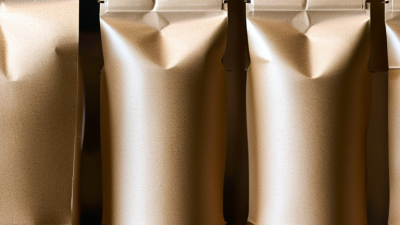
So, why go for Kraft Stand Up Pouches when you're thinking about global packaging? Well, these pouches strike a pretty nice balance—they’ve got that natural paper look, which gives a warm, approachable vibe, but they’re also super practical and flexible. Plus, their flat design means they don’t take up much storage space before you fill them up. And when they stand upright? That’s a game-changer for catching customers’ eyes on crowded shelves—especially in international markets where brands really need to stand out. Now, Robert Lilienfeld, who’s a well-known expert in packaging sustainability, once said, “The environmental impact of packaging should be looked at in the context of what it’s protecting.” Honestly, that really hits home. A pouch that keeps moisture, oxygen, or light out can actually help reduce product waste in transit, which might matter way more than how it looks. Sometimes, the practical benefits really do trump aesthetics. These Kraft Stand Up Pouches aren’t just for one thing—they work well for food, coffee, snacks, pet treats, cosmetics, and household stuff. You can add cool features like resealable zippers, tear notches, windows to peek inside, or high-barrier inner films for extra protection. And, if you go with a matte kraft surface, it gives smaller brands a kind of cozy, tactile feel that stands out. It just feels different—that touch matters. Of course, going global adds some tricky questions. A pouch designed in one country might not be easily recyclable or compostable somewhere else. The layers of paper, plastics, inks, and adhesives all need to be carefully checked—every market has its own recycling setup. Just because it’s “kraft” doesn’t automatically mean it’s eco-friendly or recyclable. That’s why seasoned suppliers like Mondi and Amcor stress the importance of testing. It’s not just about the materials—barrier performance, sealing strength, and real-world shipping tests matter a lot. If you’re serious about this, ask for migration data, transport trials, and make sure to double-check the packaging rules in your target market, preferably with experts. No single package is perfect everywhere without some adjustments. In the end, the honest truth is this: Kraft Stand Up Pouches pack a punch in terms of efficiency, branding charm, and protecting your products. But they’re not a one-size-fits-all solution. To get the best out of them, you need to pick the right materials, make realistic sustainability claims, and really test how they perform in actual shipping conditions. It’s about being thoughtful and flexible—no magic bullet, but definitely a good choice when used right.
Read more »
James By:James - September 15, 2026
How to Choose Paper Boxes for Packing Products?

How to Choose Paper Boxes for Packing Products?

Choosing the right paper box isn't just about making things look pretty—it actually plays a big role in protecting your products, boosting your branding, and keeping packaging costs in check. But honestly, a lot of people mainly focus on the color or the way it looks, which is a bit of a missed opportunity. In real-life packaging projects, there's more to consider—you need a box that matches the weight, size, handling conditions, and what your customers expect. So, instead of guessing, it’s smarter to choose paper boxes based on actual testing and real-world experience. Start with your product itself. Measure its length, width, height—and pay special attention to any fragile spots. A snug fit can help prevent things from bouncing around, but be careful not to squeeze too tightly—excessive pressure could damage edges or seals. Think about the paperboard's thickness, the flute structure, coating, closure style, and even interior inserts. For instance, if you're packing chocolates in a gift box, you’ll want something that can be printed clearly, is food-safe, and sturdy enough to handle stacking during delivery. Also, moisture resistance can be a game-changer, especially when products go through humid warehouses. Those small details might seem minor at first, but they can turn into costly headaches later. Then, don’t forget about your brand image. Recyclable materials, true-to-color printing, and easy-to-open designs can really influence how your customers perceive quality. But a quick heads-up: don’t just go on attractive wording or flashy labels—make sure to ask for samples, check the strength through compression tests, inspect the corners, and see what the unboxing experience feels like. Remember, your first sample might not turn out perfect right away—that’s totally normal. Making a smart choice really comes down to comparing a few different suppliers and keeping detailed notes from your tests. Make sure you confirm production tolerances, minimum order quantities, lead times, and policies for replacements before giving the thumbs up. Because let’s be honest—no point in a gorgeous box if it arrives late and messes up your customer’s experience. The winning box is one that strikes a good balance—protecting your product, fitting your budget, looking great, being eco-friendly, and consistent in production. It might not be perfect, but it needs to be reliable, measurable, and actually suited for the whole journey your product is about to go on.
Read more »
Sophie By:Sophie - September 12, 2026
Top 10 Cardboard Drawer Box Manufacturers Worldwide

Top 10 Cardboard Drawer Box Manufacturers Worldwide

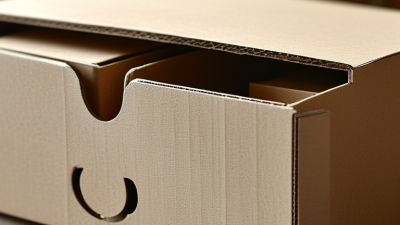
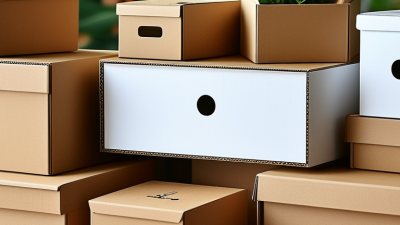
The global market for Cardboard Drawer Boxes isn’t just about eye-catching printing — it’s about so much more. Things like the structure, the quality of materials, how well they’re produced, and whether they can be reliably delivered all play a big role. So, in this overview, we’re diving into the top 10 manufacturers around the world who really know their stuff when it comes to making these boxes. A good drawer box should glide open smoothly, keep its shape, and do a solid job protecting whatever’s inside. The paperboard needs to stand up to crushing during storage and transit, and the drawer mechanism itself should have clean scoring, precise folding, and everything aligned just right. Even tiny mistakes can stand out — especially when your product hits the retail shelf. You’ve probably heard packaging called “the silent salesman.” That phrase makes a lot of sense here. A cardboard drawer box speaks to your brand long before someone even touches the product. And it kind of shows how much practical experience the manufacturer has — through the way it fits together, finishes off, and handles everyday use. In this comparison, we’re looking at companies like Smurfit Westrock, International Paper, DS Smith, WestRock, and several other big names in the packaging world. We check out things like where they source their materials, how customizable they are, their printing capabilities, production capacity, quality control, and how committed they are to sustainability. We also consider whether they cater to luxury brands, cosmetics, electronics, food packaging, or promotional items. Keep in mind, not all these giants are experts in every kind of drawer box. Some might be really good at high-volume orders, while others shine on shorter runs with tons of details. And remember — a shiny sample doesn’t always tell the full story. It could hide weaker board quality or slow lead times, so it’s worth digging a little deeper. No ranking is perfect, and performance can vary depending on the region, the factory, or your specific project. So, before jumping in, you should ask for samples, check compression ratings, coating info, and production timelines. The list below is a good starting point, but it’s no substitute for thorough testing and vetting. At the end of the day, careful research is key to making the right choice.
Read more »
Sophie By:Sophie - September 9, 2026
Top Kraft Stand Up Pouches Suppliers for Global Buyers

Top Kraft Stand Up Pouches Suppliers for Global Buyers

Picking a trustworthy supplier for Kraft Stand Up Pouches isn’t just about price comparisons on a website. For global buyers, it’s really about finding packaging that handles your product well, shows off your brand, and stays reliable from the factory to the customer. This guide walks you through what to look for in established suppliers — things like the quality of the kraft paper, barrier layers, how strong the zipper is, the size of the pouches, printing detail, and how much they can produce. Sometimes, the small details tell the real story. For example, a sample should sit upright on a warehouse shelf without wobbling. The zipper needs to close smoothly even after you open and close it a bunch of times. When filled, the bottom gusset should stay steady and not collapse. It's also smart to ask for material specs, food-contact certifications if relevant, photos of the factory, and recent quality reports. These bits of info help you weed out unreliable manufacturers from those who might look good online but aren’t so dependable. Of course, no supplier is perfect. Even the most experienced companies can run into delays, slight color differences, or minimum order issues. That’s totally normal and something you should keep in mind. A good supplier evaluation doesn’t just make empty promises — it understands these risks. Also, consider how quickly they respond, their experience with exports, whether they offer private labeling, and how responsible they are after the sale. Brands like ePac, Swiss Pac, and Packman have different styles when it comes to customization and international service, but always double-check their current capabilities before jumping in. Certifications and eco claims sound great, but you better ask for solid proof — never just accept them at face value. For buyers around the world, the cheapest isn’t always the best choice. The real winner is the partner who’s honest about their limits, provides clear documentation of their quality controls, and sends you samples that match what was agreed upon. This overview aims to give you a practical starting point, so you can compare Kraft Stand Up Pouch suppliers more confidently and avoid costly surprises down the line.
Read more »
Emily By:Emily - September 6, 2026