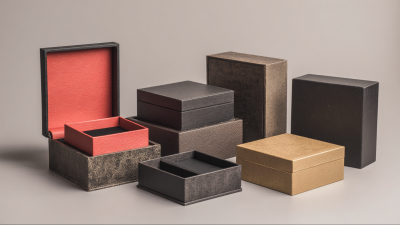
In today’s pretty competitive market, picking the right packaging really matters. A custom, high-quality package can do a lot to shape how people see your brand. Mark Thompson from EcoPack Solutions, an expert in the Packaging Boxes Small scene, says, "The right box can really lift up your product." There are plenty of small factories out there making unique options, but honestly, choosing the best one can be quite tricky.
A lot of buyers tend to overlook some important things when searching for packaging. Things like the quality of materials, print quality, and how flexible the designs are—those really matter. A good box doesn’t just protect your product; it also tells your brand’s story. Just be aware, not all small factories keep up with high standards, so it’s smart to do your homework and ask for samples before settling on anyone. Sometimes, what they promise isn’t quite what you get, and that can be disappointing.
With so many options out there, it can feel pretty overwhelming. Finding that sweet spot between affordable and quality stuff is key. It’s a good idea to chat with a few different suppliers; it honestly gives you a better sense of how reliable and creative they are. And let’s be real, thinking about what might go wrong along the way is important — after all, a bad packaging choice can totally ruin your customer’s experience. So yeah, taking your time and paying attention during the decision process really pays off if you want that perfect compact packaging solution.

Understanding the Importance of Custom Packaging for Brand Identity
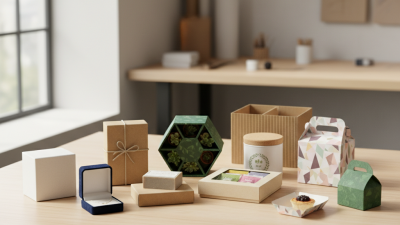
Custom packaging plays a vital role in establishing brand identity. It’s more than just a box; it’s the first impression customers receive. High-quality packaging can enhance the perception of your brand. Small Corrugated Boxes are an excellent option for this purpose. They offer durability and can be customized easily to reflect your brand’s unique style.
When selecting packaging, focus on materials that showcase your brand. The texture, color, and design all contribute to customer experience. If your branding tells a story, ensure the packaging does too. It’s important to revisit your choices regularly. Are you conveying the right message? High-quality packaging must resonate with your audience.
Many small factories offer custom solutions at a competitive price. However, some may lack consistency. It’s crucial to evaluate your options carefully. Think about the alignment between packaging and brand values. Custom packaging should not just look good; it should serve its purpose effectively too. Make sure you reflect on how well your choices are supporting your brand identity.
Identifying Your Packaging Needs Based on Product Type and Size
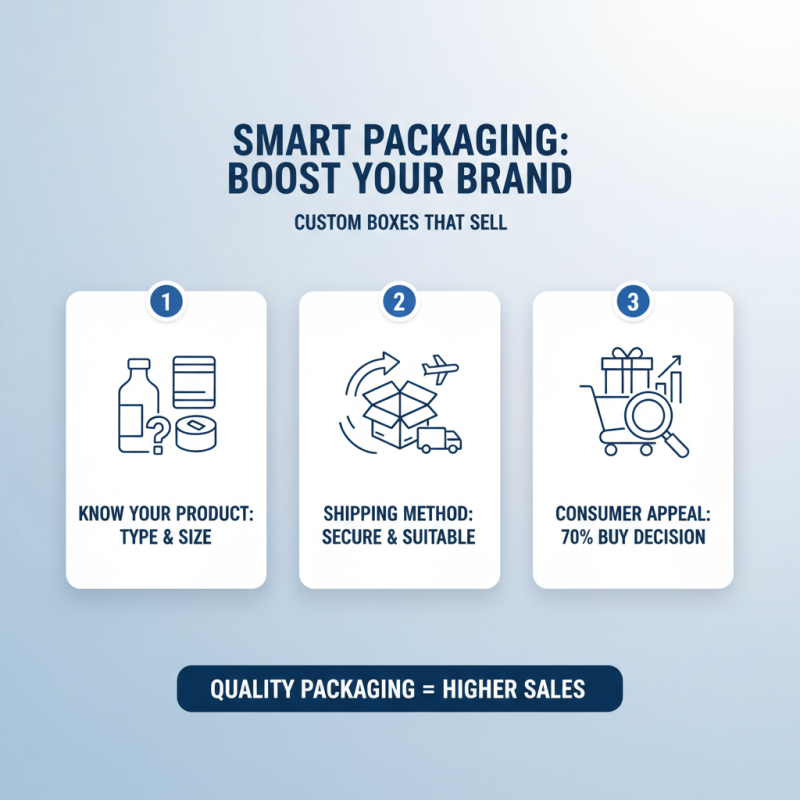
When selecting custom high-quality packaging boxes, understanding your product's specifics is crucial. Packaging needs vary significantly based on the type and size of what you are shipping. A recent industry report indicates that 70% of consumers base their purchasing decisions on packaging quality. This statistic highlights the necessity for packaging that not only protects the product but also enhances its appeal.
For fragile items, such as glass or electronics, durable materials are essential. Consider using double-walled boxes for extra strength. In contrast, smaller products may benefit from minimalist packaging that reduces excess material. The challenge lies in balancing cost and sustainability with aesthetic appeal. Poor choices can lead to product damage, impacting brand reputation negatively. Research shows that around 30% of products are returned due to inadequate packaging, underscoring the importance of getting it right from the beginning.
Moreover, the size of your packaging must align with the product dimensions. Oversized boxes can lead to wasted space, while boxes that are too small may cause damage. A study found that companies wasted about 20% of packaging resources on inefficient designs. Reflect on your choices carefully. Think about the end-user experience. A well-thought-out package not only showcases the product but also communicates your brand values effectively.
Evaluating Material Options for Durability and Aesthetic Appeal
When choosing packaging boxes, the materials matter greatly. They affect both durability and visual appeal. High-quality materials can protect products during shipping. Strong cardboard or eco-friendly options can be effective. Look for materials that suit your product's weight and fragility. A well-chosen material can enhance the customer experience.
Think about aesthetics too. Visual appeal can draw customers in. Consider colors, textures, and finishes. Matte and glossy finishes can give different vibes. Use colors that align with your brand. Sometimes, less can be more. Simple designs often stand out.
It's crucial to test materials before finalizing choices. It helps in identifying how they hold up. Conduct drop tests or environmental exposure tests. This can lead to surprising insights. Don't hesitate to seek feedback. Discuss materials with your team or customers. Each choice can lead to reflections on your brand's presentation and identity.
Top 5 Tips for Choosing Custom High Quality Packaging Boxes from Small Factories
| Tip | Material Options | Durability | Aesthetic Appeal |
| 1. Assess Material Quality | Kraft Paper | High tensile strength, biodegradable | Natural look, customizable with printing |
| 2. Consider Thickness | Cardboard | Very sturdy; protects contents effectively | Smooth finish; good for high-quality prints |
| 3. Explore Eco-Friendly Options | Recycled Paper | Decent strength; supports sustainability | Unique texture; appeals to eco-conscious consumers |
| 4. Evaluate Finishing Techniques | Rigid Boxes | Highly durable; excellent protection | Luxurious appearance; premium feel |
| 5. Test for Performance | Plastic | Water-resistant; lightweight | Glossy finish; versatile design options |
Assessing Minimum Order Quantities and Pricing Structures
When choosing packaging boxes from small factories, minimum order quantities (MOQs) and pricing structures are crucial. Many small manufacturers set MOQs to manage production costs. Reports indicate that 30% of factories demand minimum orders of 500 units. This number can be daunting for startups and small businesses. Smaller orders may sometimes be available, but they often come with higher per-unit costs.
Pricing structures vary significantly between suppliers. About 40% of small factories maintain flexible pricing based on order sizes. Larger orders usually yield discounts. However, some factories may charge hidden fees, increasing the total cost. Understanding these pricing models can help businesses make informed decisions.
It’s also vital to evaluate shipping and lead times. Delays can impact product launches, creating tension for businesses. Many factories quote low base prices but inflate shipping costs. Transparency in pricing is essential. Sometimes, what appears affordable may end up being a budget drain. Recognizing these patterns helps firms avoid costly mistakes.
Reviewing Previous Work: Analyzing Samples from Small Factories
When considering custom high-quality packaging, examining previous work from small factories is crucial. Samples provide insight into craftsmanship and material quality. According to a recent industry report, 70% of businesses emphasize the importance of sample evaluations when selecting packaging suppliers. This indicates that potential customers value tangible evidence of quality.
Analyzing samples can reveal a factory’s attention to detail. Look for the finish, color consistency, and durability of the products. For instance, if a factory specializes in Small Paper Bags, the texture and strength of the paper should speak volumes. Weak materials can lead to disappointing results. Additionally, many small factories may struggle with quality control, making thorough sample analysis even more vital. Client feedback on these samples often highlights variations in quality that need addressing.
It is essential to reflect on the samples' presentation. Are the packaging designs user-friendly? Do they align with your brand vision? Points like these often get overlooked. In fact, 40% of businesses report dissatisfaction due to mismatched expectations. Therefore, prioritizing the assessment of samples can help prevent missteps and ensure the final product reflects your standards.
Establishing Communication for Design and Customization Needs
Establishing clear communication with small factories is crucial for customizing Printed Packaging Boxes. Start by sharing your design ideas and inspirations. A simple sketch or a mood board can spark productive conversations. Your vision should be the foundation. However, be open to feedback. Some designs may not be feasible, and adapting to factory capabilities can lead to better outcomes.
Setting up regular check-ins is important to ensure that the project is on track. Small factories sometimes juggle multiple orders. They may need reminders about your specific requirements. Discuss how they handle customizations. Are they flexible with adjustments? Asking these questions can reveal potential challenges ahead. Miscommunication can occur if expectations are unclear.
Use visuals to discuss colors and materials. Photos can convey better than words what you envision. Share examples of different finishes for Printed Packaging Boxes. This helps the factory understand your preferences. It’s also essential to clarify timelines. Some factories may over-promise. You need realistic timelines to plan effectively. Remember, the more detailed the communication, the smoother the process will be.
Top 5 Tips for Choosing Custom High Quality Packaging Boxes from Small Factories
This bar chart illustrates the importance of various factors to consider when choosing custom high-quality packaging boxes from small factories. Each factor is rated on a scale of 1 to 10, highlighting what matters most in the selection process.
Conclusion
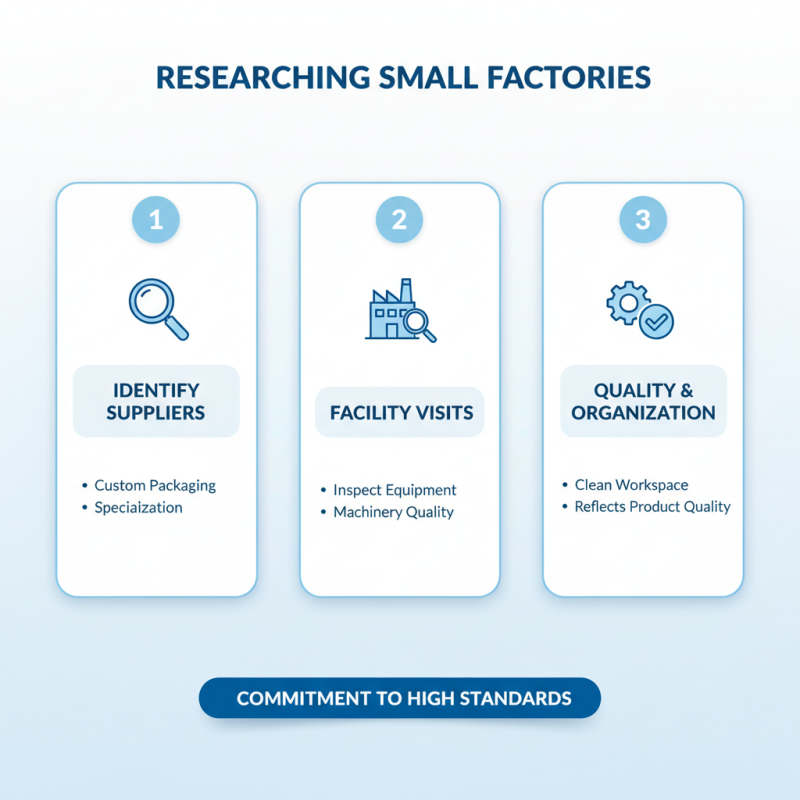
When choosing custom high-quality Packaging Boxes Small, it is essential to understand their impact on brand identity. Custom packaging helps convey the brand's message and enhances the overall customer experience. Start by identifying your packaging needs according to the type and size of your product. Research small factories that prioritize quality standards and assess various material options for durability and aesthetic appeal.
Consider the minimum order quantities and pricing structures when selecting a manufacturer. Additionally, reviewing previous work and analyzing samples from small factories can give insight into the quality you can expect. Lastly, establishing open communication with the factory for design and customization needs is crucial, ensuring that the final product aligns with your vision and requirements.