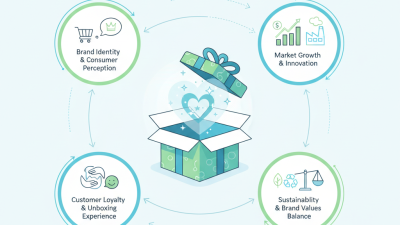
In the world of packaging, Paper Box Printing really plays a key role these days. With e-commerce booming, everyone’s looking for packaging that's not just attractive but also practical. I mean, industry expert John Smith from PrintMasters puts it simply: "Good quality packaging can really influence what customers decide to buy." This just goes to show how important paper box printing is when it comes to marketing tactics.
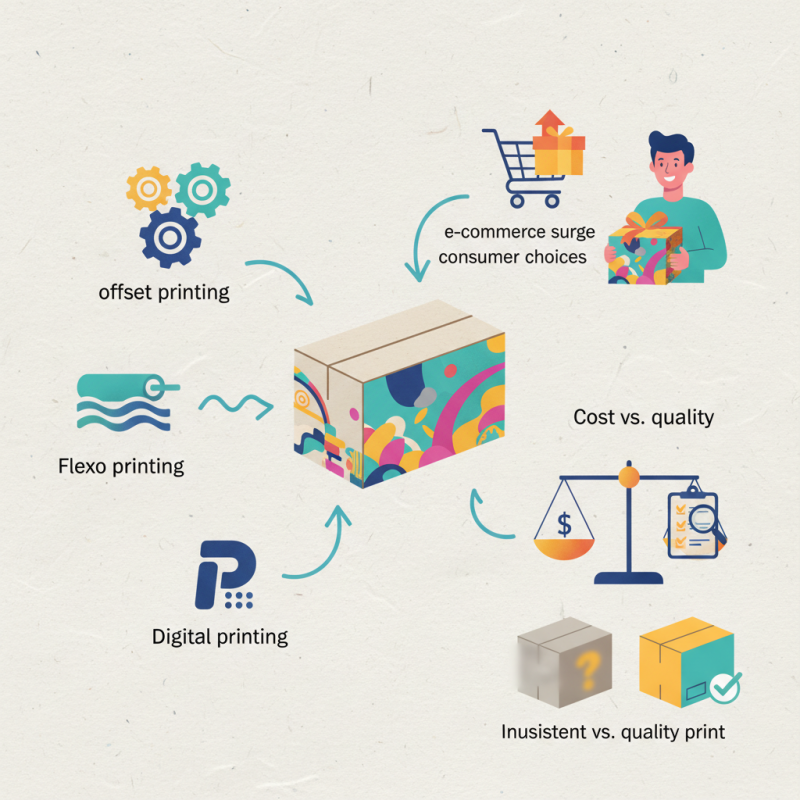
Basically, paper box printing involves using different techniques—like offset, flexo, and digital printing—to create cool designs on paperboard. Each of these methods has its own perks and best uses, so companies need to pick the right one based on what they need. But, of course, there's often a tricky balance between keeping costs down and getting top-notch quality—something a lot of businesses struggle with.
A lot of packaging companies aim for perfection, but honestly, they don’t always hit the mark. Sometimes the print quality isn’t consistent, and colors can be off, which kinda takes away from the whole look. It’s pretty important to recognize these hiccups if you want to grow. And let’s not forget, paper box printing isn’t just about making things look good—it needs to be durable and functional, too. Bright, eye-catching designs are great, but they should also match and highlight the product inside, you know?
What is Paper Box Printing?
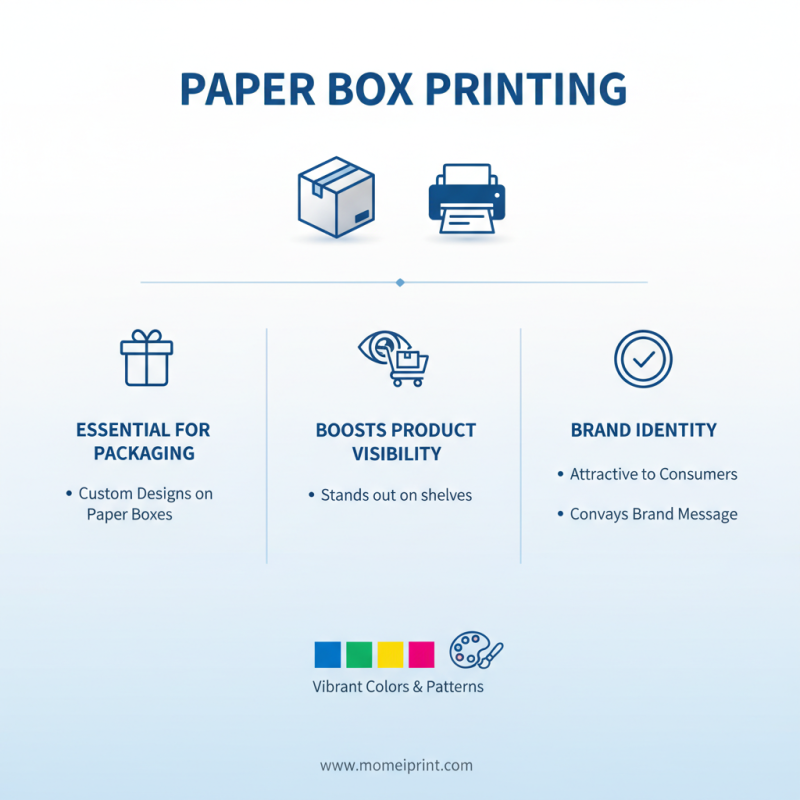
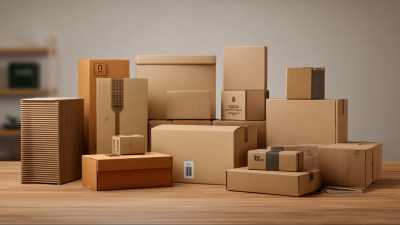
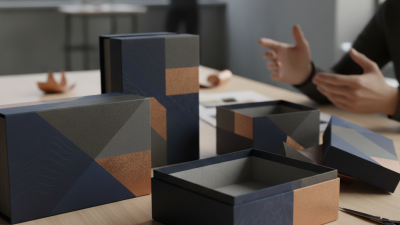
Paper Box Printing is an essential aspect of packaging. It involves creating custom designs on paper boxes. This process enhances product visibility on the shelves. Companies often use vibrant colors and intricate patterns. These details attract consumers’ attention and convey brand identity.
During the Paper Box Printing process, various techniques are employed. Digital printing offers speed and flexibility. It allows for quick changes in design. On the other hand, offset printing provides high-quality results for larger runs. Some might find it cost-effective. However, it requires setup time, which can be a disadvantage.
Not every design translates well to print. Color discrepancies may occur between digital designs and the final product. Sometimes, poor resolution leads to blurry images. These issues create challenges for businesses. They demand careful planning and revision. Customers need to double-check their designs before printing. Balancing creativity with functionality is essential in Paper Box Printing. Each box should not only look good but also serve its purpose effectively.
The Importance of Paper Box Printing in Packaging
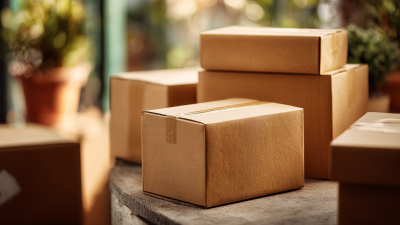
Paper box printing plays a crucial role in packaging. It not only protects products but also attracts customers. A well-designed paper box can convey a brand's story. It creates a lasting impression. This is vital in competitive markets. Consumers often judge products by their packaging.
Tips: When designing, think about colors and images. Choose visuals that reflect your brand. Simple designs can be powerful. Clarity is key. Ensure text is readable.
Another important aspect is sustainability. Using eco-friendly materials can enhance your brand's reputation. Many consumers prefer brands that prioritize the environment. However, not all paper options are recyclable. Research is needed. Always verify material sources and printing processes. Consumers appreciate transparency in packaging.
Types of Paper Box Printing Techniques
Paper box printing involves various techniques that cater to different packaging needs. Each method has distinct advantages and drawbacks. Flexographic printing, for example, is popular in mass production due to its speed. It is cost-effective for large runs, with some reports indicating that it can reduce printing costs by up to 30%. However, the setup cost can be high, making it less ideal for smaller orders.
Digital printing is another technique gaining traction in the industry. It allows for high-quality prints with shorter turnaround times. An industry report shows that the digital printing market is expected to grow at a CAGR of 11% through 2025. This method suits businesses needing personalization in their packaging. Yet, digital printing often has limitations with color matching and long print runs.
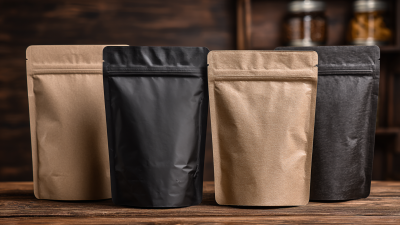
Other techniques, like offset printing, are still relevant. They provide excellent color accuracy and detail. However, they can involve a lengthy setup process. Misalignment and registration issues can lead to waste. As businesses explore options, balancing quality and cost remains a challenge. In this context, Standing Pouch Printing offers unique advantages, particularly for flexible packaging solutions. Hence, knowing the right technique is crucial for optimal outcomes in paper box printing.
The Paper Box Printing Process Explained
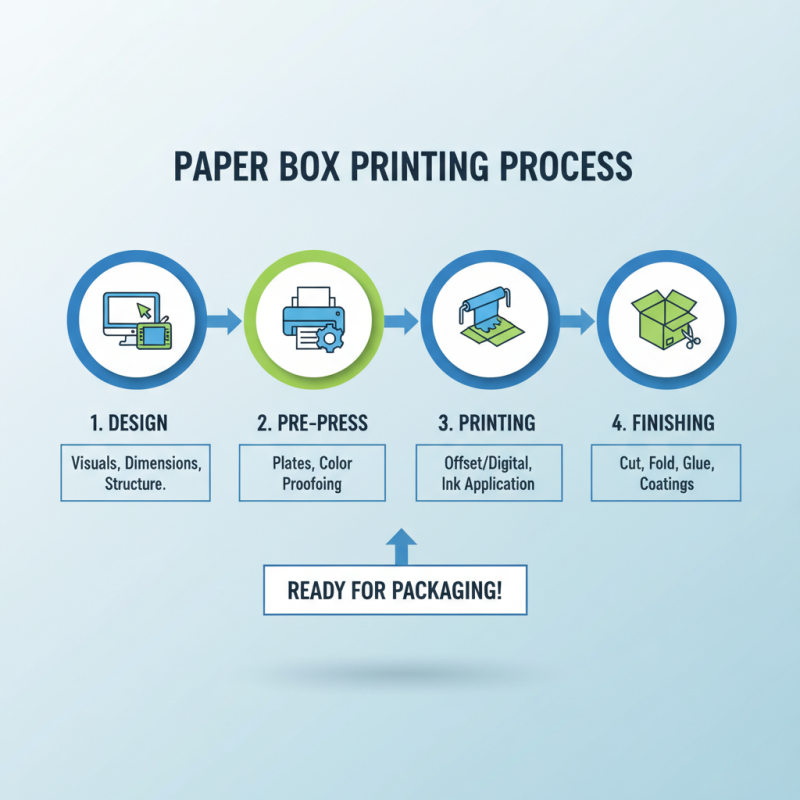
Paper box printing is an essential process in packaging design. It involves various steps to create visually appealing boxes. The first stage is design. Graphic designers use special software to create unique visuals. It’s crucial to consider the dimensions and structure of the box. The artwork should fit well, ensuring no part is cut off during production.
Next comes the printing stage. There are different techniques like offset and digital printing. Each method has its advantages. Offset printing provides high-quality images. Digital printing allows for shorter runs and quick turnarounds. Choosing the right technique can affect the final look.
Tips: Always proofread designs carefully. Small errors can cause big problems later. Test print a sample to check colors and clarity. Boxes often need to be sturdy. Not all materials are equal, so selecting the right paper is vital. Remember, an imperfect print can teach you more than a perfect one. Adjustments might be necessary after the first print run.
Materials Used in Paper Box Printing
Paper box printing is an essential process in packaging design. It relies on various materials to create visually appealing and durable products. Typically, the primary materials used include paperboard, inks, and adhesives. Paperboard is favored for its excellent printing surface and rigidity. Studies indicate that approximately 75% of packaging materials are made from paper or paperboard, highlighting its significance in the industry.
Inks utilized in paper box printing vary widely. Water-based and soy-based inks are common choices. These inks are eco-friendly and produce vibrant colors. Reports show that brands are increasingly shifting to sustainable materials. This trend has boosted the use of biodegradable inks by over 40% in recent years. Adhesives play a critical role in ensuring the structural integrity of paper boxes. Many manufacturers are turning to hot melt adhesives as they offer strong bonding without toxic chemicals.
Tips: Ensure you select the right paper thickness. A heavier weight can improve durability but increase costs. Test different materials for best results. When exploring options like Metallic Sticker Printing, be mindful of how the material interacts with various inks. Not all combinations yield optimal results. Quality testing can save time and resources.
Applications of Printed Paper Boxes
Printed paper boxes find their applications in various industries. Retail is a major sector. Brands use them to package products attractively. A well-designed box can catch a customer's eye. This enhances the shopping experience. For instance, cosmetics often use colorful designs. The box not only holds the product but also communicates luxury.
Food packaging is another area. Many takeout places use printed boxes for meals. They serve both function and style. Good design can make food look more appealing. Customers tend to trust products that come in quality packaging. However, some businesses overlook this aspect, leading to missed opportunities. The box can reflect the quality of the product inside.
Electronics packaging also relies on printed boxes. They need to convey safety and reliability. The design often includes diagrams and instructions. This helps consumers use the product effectively. Yet, many brands fail to make this information clear. Customers sometimes struggle to understand how to use their new gadgets. It's essential for brands to focus on clarity alongside aesthetics.
Tips for Designing Effective Paper Box Prints
When designing effective paper box prints, attention to detail is crucial. Research indicates that packaging plays a significant role in consumer decision-making. About 72% of consumers judge products by their packaging. Incorporating eye-catching elements, such as vibrant colors or patterns, makes a box stand out.
Using techniques like Holographic Sticker Printing can enhance visual appeal. This method can create depth and movement, drawing in potential customers. However, designers should ensure that these effects don't overwhelm the product information. Balance is key in any design.
Fonts and layouts also demand careful consideration. A cluttered design can confuse consumers. Stick to one or two fonts and maintain clear readability. According to industry studies, 85% of customers prefer simple, easy-to-read text on packaging. Remember, simplicity often communicates professionalism.
Paper Box Printing - Design Effectiveness Analysis
Innovative Packaging Solutions: Customized Foldable Paper Cartons for 3C Data Cable Display and Storage
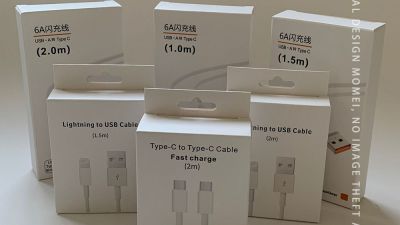
Innovative packaging solutions are essential for effectively displaying and storing products, particularly in the fast-paced tech market. The customized foldable Paper Cartons for 3C data cable accessories exemplify this innovation, marrying functionality with a sleek design. Crafted with a minimalist aesthetic, these cartons boast a three-dimensional rectangular shape that not only captures attention but also maximizes storage efficiency. The crisp, snow-white base color creates a refreshing visual appeal, making the product stand out in retail environments.
Furthermore, the thoughtful design includes a circular hanging hole at the top, which adds to the stability of the packaging while enhancing its display capabilities. This feature ensures that the cartons can be showcased conveniently without compromising their integrity. Bold black font serves to highlight key product information on the front, while a carefully positioned vector illustration depicting the Type-C port communicates essential selling points clearly. By emphasizing the unique attributes of the 2-meter extra-long cable and its dual-head fast charging capability, this packaging not only informs potential buyers but also enhances the overall shopping experience.
FAQS
: The article discusses various strategies to improve productivity at work.
Use a planner. Set specific goals daily. Break tasks into smaller chunks.
Yes, short breaks can refresh your mind. They can increase overall focus and energy levels.
A clean, organized workspace enhances concentration. Clutter can distract and decrease efficiency.
Absolutely. Focus on high-impact tasks. Use a ranking system to identify priorities.
High stress can cloud your judgment. It may lead to burnout and lower output levels.
Multitasking can reduce efficiency. Focusing on one task often yields better results.
Regular reviews help identify areas for improvement. Weekly check-ins can be quite beneficial.
It's okay to feel this way sometimes. Consider changing your routine or setting new goals.
Yes, working with others brings new ideas. However, too many voices can muddle focus.
Conclusion
Paper Box Printing is a crucial process in the packaging industry, allowing businesses to create visually appealing and functional boxes for their products. This technique encompasses various printing methods, including lithography, flexography, and digital printing, each serving different needs based on design complexity and material type. The process typically involves preparing the artwork, selecting suitable materials, and utilizing specialized printing equipment to produce high-quality results.
The significance of Paper Box Printing lies in its ability to enhance brand visibility, provide product information, and ensure protection during transportation. Common materials used in this process include cardboard, kraft paper, and art paper, which offer durability and customization options. Printed paper boxes are widely applied in sectors such as food service, cosmetics, and electronics, making effective design essential. By focusing on layout, color schemes, and typography, businesses can create memorable packaging that resonates with consumers.