Lately, there's been quite a shift in how food packaging is evolving, especially with folks caring more about sustainability. I mean, if you look at what Smithers Pira reported, the whole global market for eco-friendly packaging is expected to hit around $700 billion by 2025 — that’s a huge jump, showing how much companies are leaning into greener materials and practices. As more consumers become environmentally conscious, big brands like Unilever and Nestlé aren’t sitting back—they’re actually trying out new, innovative packaging options that not only cut down on environmental harm but also make their products look more appealing.
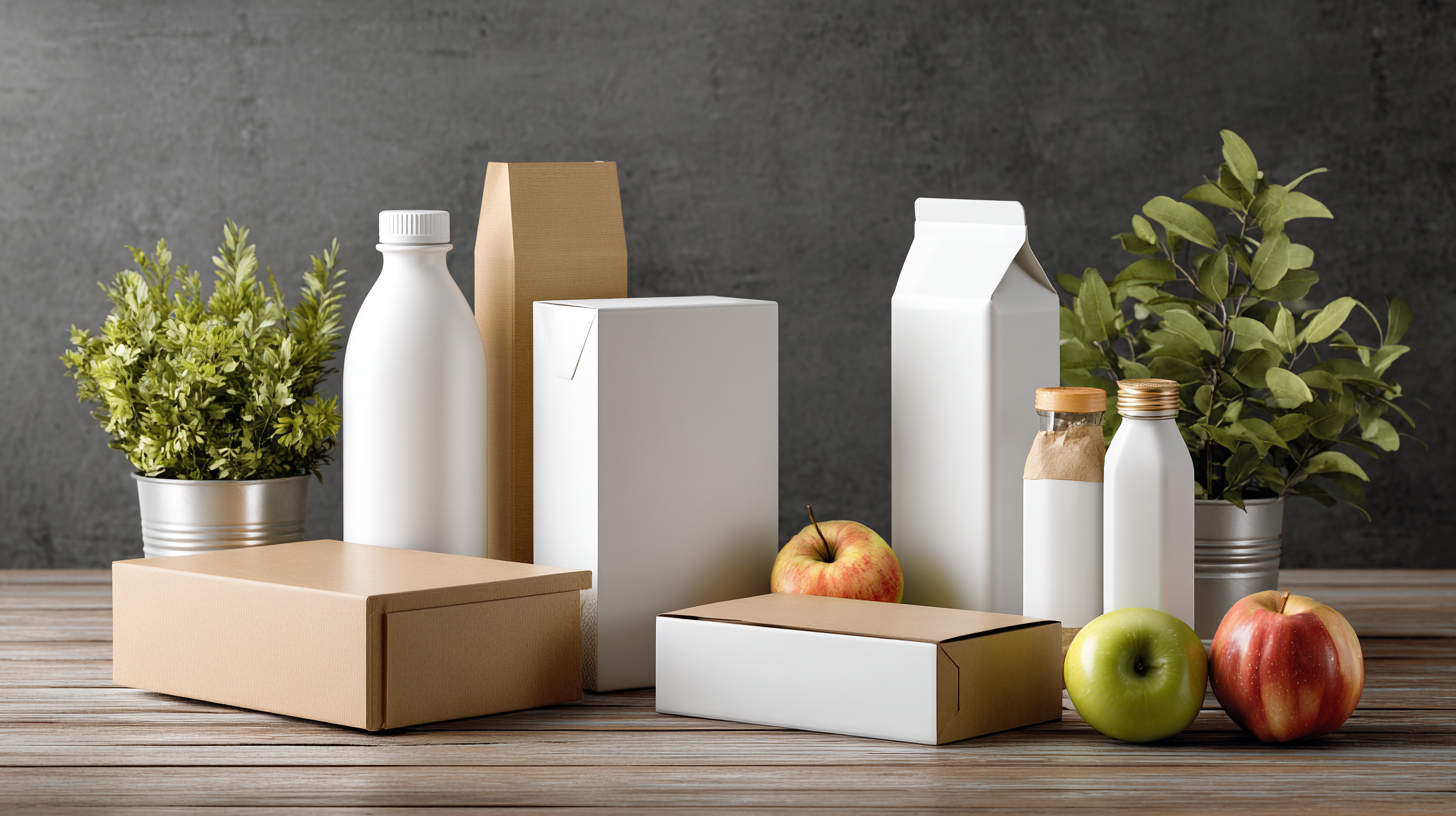
And get this—another study from the Food Marketing Institute found that over half of shoppers, about 52%, are actually willing to pay a bit more if their packaging is eco-friendly. That really drives home how important it is for brands to hop on the sustainability bandwagon if they want to stay relevant and connect with this growing group of eco-minded consumers. Things like biodegradable materials, cutting down on plastic, and making packages reusable are becoming more than just trends—they’re essentials if companies want to meet customer expectations and comply with new regulations. As we go through the top strategies for designing food packaging that’s both sustainable and attractive to consumers, it’s clear that embracing these changes isn’t just a good idea — it’s pretty much necessary if companies want to stay competitive in today’s fast-moving market.
Strategies for Integrating Sustainable Materials into Food Packaging Design
In today's competitive food market, optimizing packaging design for sustainability while appealing to consumers is crucial. A recent report from the Food Packaging Institute noted that 72% of consumers prefer brands that use sustainable packaging. This presents an immense opportunity for companies to integrate sustainable materials into their designs, appealing to eco-conscious shoppers. Sustainable materials such as biodegradable plastics, recycled materials, and plant-based composites not only reduce the environmental impact but also resonate with consumers’ growing preference for sustainability.
To effectively integrate these sustainable materials, brands need to focus on transparency and innovation. According to a 2022 study by Nielsen, 81% of consumers feel strongly that companies should help improve the environment. By communicating the use of sustainable materials clearly on packaging, brands can enhance consumer trust and loyalty. Furthermore, investing in research and development can lead to innovative packaging solutions that maintain functionality while using eco-friendly materials. As the food packaging landscape continues to evolve, prioritizing sustainability will not only benefit the planet but also drive consumer engagement and brand differentiation in a crowded market.
Innovative Design Trends that Enhance Consumer Engagement in Food Packaging
Innovative design trends in food packaging are pivotal for enhancing consumer engagement and driving sales within the evolving market landscape. As organizations pivot towards sustainability, the dual oven tray and container market is projected to experience significant growth, rising from a valuation of $1.695 billion in 2024 to approximately $2.273 billion by 2032, reflecting a compound annual growth rate (CAGR) of 3.73%. This shift underscores the crucial role that sustainable and aesthetically appealing packaging plays in attracting eco-conscious consumers.
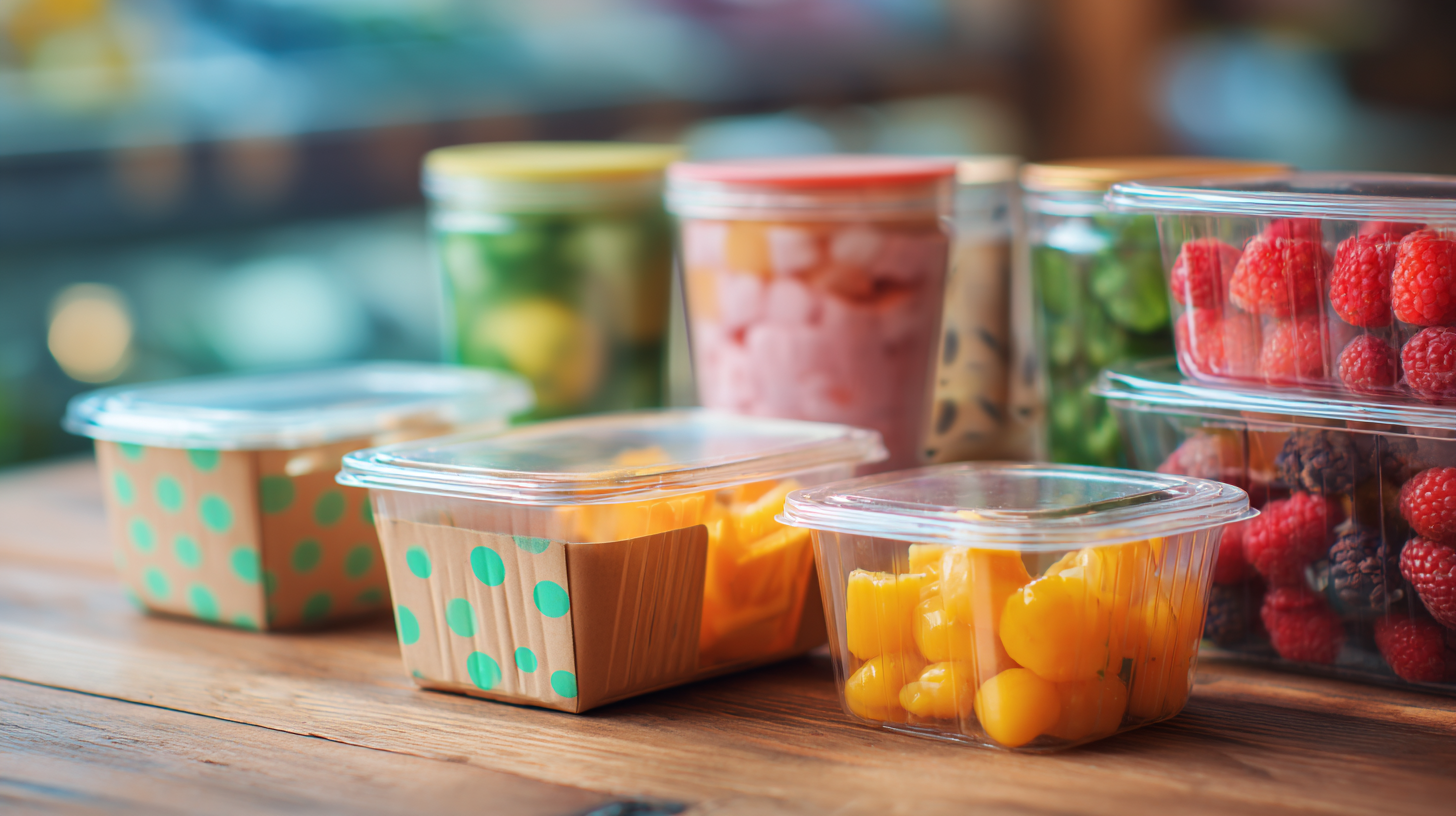
Moreover, the reusable packaging market is expected to expand from $2.01 billion in 2023 to an impressive $4.5 billion by 2032, driven by increased consumer demand for environmentally friendly options. This surge indicates a notable trend in packaging design that prioritizes sustainability while maintaining consumer appeal. The emphasis on innovative functionalities, such as smart packaging technologies incorporating barcodes, QR codes, and sensors, will further enhance user experience and engagement, reinforcing the importance of packaging as a pivotal marketing tool in the competitive food sector.
Leveraging Technology to Improve Efficiency and Reduce Waste in Packaging
As the food industry increasingly turns its attention to sustainability, leveraging technology has become crucial in optimizing packaging design. A report from Smithers Pira indicates that the global sustainable packaging market is expected to reach $400 billion by 2025, highlighting the significance of innovation in this sector. Advanced materials, such as biodegradable films and recyclable composites, are now being integrated into food packaging, not only to reduce environmental impact but also to enhance product appeal. These materials are designed to meet consumer demands for sustainable options while maintaining functionality.
Incorporating technologies such as artificial intelligence and IoT (Internet of Things) into the production processes can significantly improve efficiency and minimize waste. According to a study by McKinsey, companies that employ advanced technologies in their packaging processes can reduce material usage by up to 30% while simultaneously lowering operational costs. By utilizing data analytics, businesses can optimize their supply chains, reducing excess inventory and ensuring that packaging design aligns with consumer preferences. This strategic approach meets the dual objectives of sustainability and enhanced consumer engagement, making it essential for food brands aiming for success in the evolving market landscape.
2025: Optimizing Food Packaging Design for Sustainability and Consumer Appeal
This chart illustrates the percentage of various sustainability practices implemented in Food Packaging Design, showcasing consumer appeal from 2023 to 2025.
Case Studies: Successful Brands Leading the Way in Sustainable Packaging
Sustainable packaging has become a focal point for many successful brands, reflecting both environmental responsibility and consumer demand for eco-friendly products. Brands like Unilever and Coca-Cola have pioneered innovations by adopting recyclable materials and reducing plastic usage, establishing themselves as leaders in sustainable practices. For instance, Unilever's commitment to ensure all its plastic packaging is recyclable, reusable, or compostable by 2025 showcases a proactive approach to addressing waste issues while enhancing brand loyalty.
Tips for brands looking to optimize their packaging design include using minimalistic designs that reduce material use without compromising on aesthetics. Emphasizing transparency in ingredient sourcing and packaging materials can significantly appeal to eco-conscious consumers. Additionally, incorporating labels that clearly communicate sustainability efforts encourages consumer trust and enhances brand image.
Another inspiring example is IKEA, which has shifted to using renewable or recycled materials in its packaging, thus not only minimizing environmental impact but also aligning with the values of its customer base. These initiatives demonstrate how strategic changes in packaging can lead to substantial benefits in both sustainability and consumer appeal, positioning brands as forward-thinking leaders in the marketplace.
2025 How to Optimize Food Packaging Design for Sustainability and Consumer Appeal
| Packaging Material | Sustainability Score | Consumer Appeal Rating (1-5) | Innovative Features |
| Recycled Paperboard | 8.5 | 4 | Biodegradable Ink, Minimalist Design |
| Plant-Based Plastics | 9.0 | 5 | Compostable, Unique Textures |
| Glass Containers | 9.5 | 5 | Reusable, Elegant Design |
| Metal Cans | 8.0 | 4 | Recyclable, Unique Shapes |
| Edible Packaging | 9.8 | 5 | Zero Waste, Novel Customer Experience |
Consumer Behavior Insights: What Drives Preference for Eco-Friendly Food Packaging
Consumer behavior plays a crucial role in shaping preferences for eco-friendly food packaging. Today’s consumers are increasingly aware of environmental issues, prompting a shift towards sustainable choices. Research indicates that factors such as perceived environmental impact, product safety, and brand transparency significantly influence their purchasing decisions. For instance, when consumers recognize that packaging materials can be recycled or composted, their willingness to pay a premium for such products increases. This awareness fuels the demand for brands that prioritize sustainability in their packaging design.
Moreover, emotional connections also drive consumer preference. Many individuals feel a sense of responsibility towards reducing their carbon footprint, leading them to opt for brands that reflect their values. Packaging design that tells a compelling story or illustrates a commitment to eco-friendly practices resonates more with consumers. Simple, clear messaging about the sustainability of packaging materials can enhance consumer trust and loyalty. Therefore, brands that focus on integrating sustainability into their packaging design not only meet the growing demand for eco-friendly options but also foster a deeper connection with their customers.
Regulatory Considerations and Industry Standards for Sustainable Food Packaging
Sustainable food packaging has garnered significant attention due to increasing regulatory considerations and evolving industry standards. Governments worldwide are implementing legislation aimed at reducing plastic waste and encouraging recyclable materials. Businesses must stay informed about these regulations to ensure compliance and avoid penalties. This not only fosters environmental responsibility but also strengthens consumer trust in brands that prioritize sustainability.
Tips for compliance: Regularly review local and international regulations regarding food packaging. Engage with industry associations to stay updated on best practices and adjusted standards. Collaborating with eco-friendly suppliers can also lead to innovative packaging solutions that meet regulatory requirements and enhance brand image.
As the market shifts towards sustainable practices, brands can enhance consumer appeal by transparently communicating their efforts. This involves not only adhering to standards but also educating consumers about the benefits of sustainable packaging. Using clear labeling and eco-certifications can help differentiate products in a crowded marketplace while fostering an emotional connection with environmentally conscious consumers.
Tips for engaging consumers: Utilize social media to share your sustainability journey and how your packaging choices benefit the environment. Implement feedback mechanisms to understand consumer perceptions of your packaging, allowing for continuous improvement.
Creative Design Ideas for Custom Specialty Paper Candle Gift Box Packaging
When it comes to packaging for candle gifts, creativity and uniqueness are essential to leave a lasting impression. The custom specialty paper candle gift box designed with white cracked textured wrapping paper stands out as a perfect example of this principle in action. The distinct cracked texture not only adds an exquisite visual appeal but also embodies the charm of natural handmade products. This design element invites recipients to appreciate the craftsmanship and authenticity behind the candle gifts they are about to receive.
Complementing the textured wrapping, the bold black lettering "INVISIBLE SPACE" on the front of the box is striking and creates a strong visual impact. This design choice enhances the overall aesthetic while emphasizing a modern, chic branding approach. The subtle yet sophisticated dark pattern logo on the lid further reflects the brand's style, creating an elegant package that speaks to the quality within. Additionally, the descriptive text on the side, "Pure handwork Natural aromatic candles," effectively communicates the essence of the product, reassuring customers that they are selecting high-quality, handcrafted aromatic experiences. Together, these design elements blend beautifully to create a candle gift box that is not just packaging but a statement of elegance and artistry.
FAQS
: The global sustainable packaging market is expected to reach $400 billion by 2025.
Advanced materials, such as biodegradable films and recyclable composites, help reduce environmental impact and enhance product appeal while meeting consumer demands for sustainable options.
Technologies like artificial intelligence and IoT can significantly improve efficiency and minimize waste, potentially reducing material usage by up to 30% and lowering operational costs.
Staying informed about regulations is crucial for avoiding penalties and fostering environmental responsibility, which ultimately strengthens consumer trust.
Businesses should regularly review local and international regulations, engage with industry associations for best practices, and collaborate with eco-friendly suppliers for innovative solutions.
Brands can enhance consumer appeal by transparently communicating their sustainability efforts, using clear labeling and eco-certifications to differentiate products.
Utilizing social media to share sustainability journeys and implementing feedback mechanisms to understand consumer perceptions are effective ways to engage consumers.
Data analytics allows businesses to optimize their supply chains, reducing excess inventory and aligning packaging design with consumer preferences.
By prioritizing sustainability and educating consumers about the benefits of sustainable packaging, brands can foster an emotional connection with environmentally conscious consumers.
Eco-certifications help differentiate products in a crowded marketplace and appeal to consumers who prioritize sustainability.
Conclusion
The article "2025 How to Optimize Food Packaging Design for Sustainability and Consumer Appeal" explores critical strategies for enhancing food packaging design through sustainability and consumer engagement. It emphasizes the integration of sustainable materials into packaging solutions, alongside innovative design trends that capture consumer attention and foster brand loyalty. By leveraging technology, companies can improve efficiency and significantly reduce waste, contributing to a more sustainable future.
Additionally, the article highlights successful case studies of brands leading the way in sustainable packaging, providing valuable insights into consumer behavior that drives the preference for eco-friendly options. Regulatory considerations and industry standards are also discussed, offering a comprehensive overview for companies like Shaanxi Momei Printing Technology Co., Ltd., which specializes in packaging design and can incorporate these practices into their creative services, enhancing both environmental responsibility and market appeal.