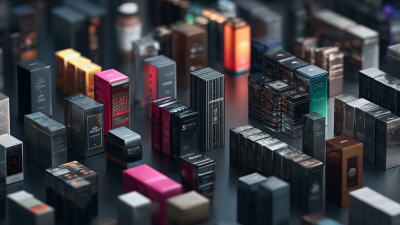
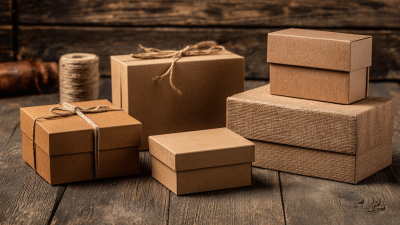
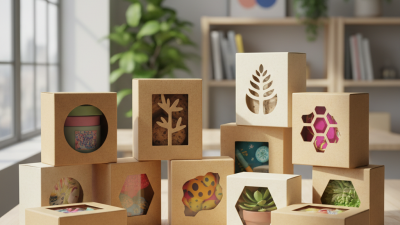
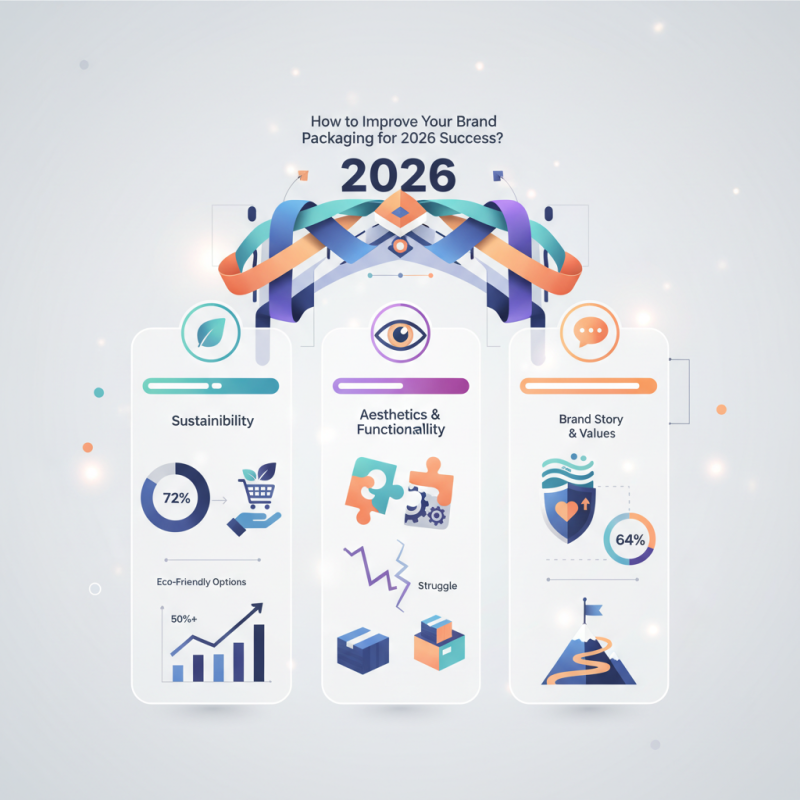
When you think about the world of consumer goods, branding and packaging honestly play a huge role. I mean, a report from Packaging Strategies back in 2021 found out that about 72% of people say their purchase decisions are influenced by packaging design. That just goes to show how important it is for packaging to be both eye-catching and practical. As brands gear up for 2026, it’s pretty clear — good Brand Packaging Design isn’t just a nice-to-have anymore; it’s a must-have.
Brands really need to make sure their packaging matches their core values and connects with their audience. And let’s not forget, more than half of consumers are actively on the lookout for eco-friendly options. That means sustainability in packaging isn’t just trendy — it’s critical. That said, a lot of brands still struggle to find that sweet spot between how something looks and how functional it is. This struggle can sometimes give off the wrong impression about how committed they are to being environmentally conscious.
Plus, packaging should tell the brand’s story clearly and compellingly. Unfortunately, many companies drop the ball here. A Nielsen study pointed out that about 64% of people prefer brands that share their values right on the products. So really understanding these little details can make all the difference. Getting to that point of standout packaging isn’t always easy — but trust me, it’s the secret sauce to thriving in a crowded, competitive market.
Understanding the Importance of Brand Packaging in 2026 Market Trends
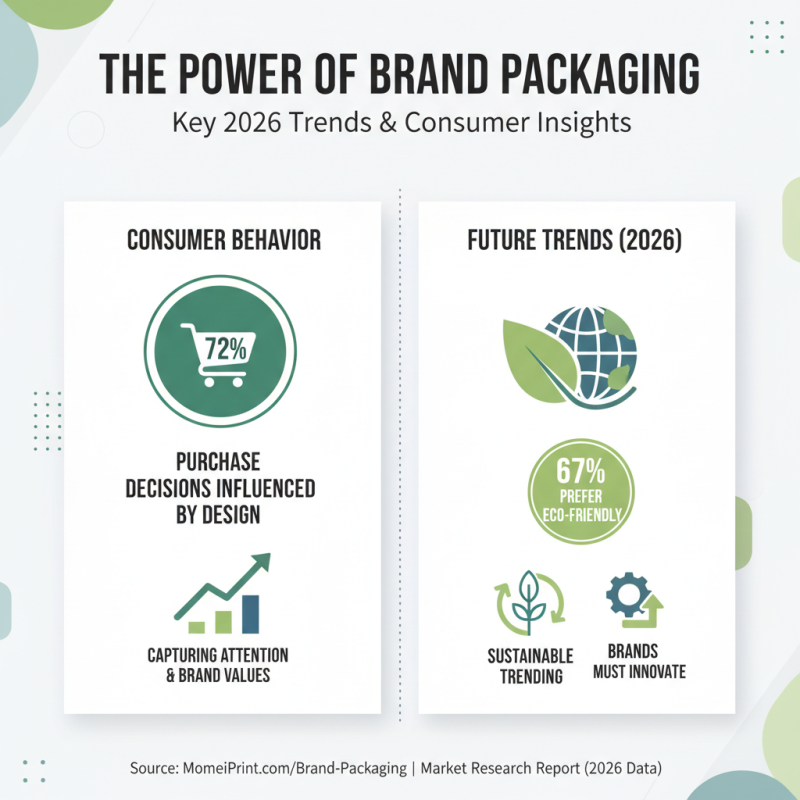
Brand Packagingplays a crucial role in today's marketplace. According to recent studies, 72% of consumers say packaging design influences their purchase decisions. This statistic highlights the importance of effective Brand Packaging in capturing attention and conveying brand values. In 2026, sustainable materials will trend significantly. A report from a leading market research firm indicates that 67% of consumers prefer eco-friendly packaging. Brands must innovate to meet this demand.
Colors, shapes, and typography also matter. Research shows that 93% of consumer judgments are based on visual appearance. Brands have an opportunity to create unique designs that stand out. Yet, many brands still stick to generic designs, failing to reflect their identity. This disconnect can lead to missed opportunities for engagement. Brands must push boundaries and embrace creativity in packaging.
The evolving digital landscape continues to influence brand packaging. With the rise of e-commerce, packaging needs to be both appealing and functional. Statistics reveal that 50% of returns occur due to poor packaging. Brands should consider how packaging performs in transit and how it affects customer perception. Addressing these issues is essential for success in 2026.
Analyzing Consumer Behavior Changes and Their Impact on Packaging Design
Consumer behavior is shifting faster than ever. Buyers are more conscious of sustainability and minimalism in packaging. They want packaging that tells a story without using excessive materials. This change reflects a desire for authenticity and eco-friendliness. Brands must adapt to these preferences while still being visually appealing.
Colors and design are crucial factors in attracting customers. Vibrant colors may catch the eye, but bland packaging often gets ignored. It’s necessary to balance creativity and functionality. Remember, packaging is not just a container; it is part of the overall experience. Poor choices can lead to wasted opportunities.
Listening to feedback is essential for improvement. Sometimes, designs may miss the mark. Testing new ideas with target audiences can illuminate what resonates. Not all packaging innovations will be hits, but each attempt offers valuable insights into consumer preferences. Embracing personal stories and human emotions can enhance connections. By reflecting on the evolving landscape, brands can create packaging that truly engages their customers in 2026.
Utilizing Sustainable Materials: Statistics on Eco-Friendly Packaging Demand
As the demand for eco-friendly packaging grows, brands must adapt. Statistics show that consumers increasingly prefer sustainable options. More than half of buyers consider the environmental impact of packaging before making a purchase. Printed Packaging Boxes made from recycled materials are becoming popular. They not only reduce waste but also enhance a brand’s image.
Yet, many brands struggle to find the right balance. Achieving sustainability while maintaining product integrity is tricky. Some materials might not perform as well or may not appeal to customers. They fear that eco-friendly packaging could compromise aesthetics or functionality. Rethinking the material selection process is essential.
Investing in research is the key. Brands should explore innovative materials that support sustainability goals. Creating prototypes with Printed Packaging Boxes can help visualize ideas. Testing them in the market will provide valuable feedback. There's room for improvement, and brands must learn from their trials and errors. Each step taken towards sustainability counts, but the journey is not without challenges.
Incorporating Technology: Augmented Reality in Brand Packaging Strategies
Incorporating augmented reality (AR) into brand packaging could change the way consumers interact with products. A recent report by AR Insights noted that 78% of consumers feel more engaged with products using AR. This engagement can drive brand loyalty and encourage repeat purchases. However, companies must carefully design these AR experiences to avoid confusion. A user-friendly interface is essential.
Consider how Reed Diffuser Packaging can utilize AR to enhance product storytelling. Imagine scanning the package to reveal a sensory journey through scents. Users could see the origins of the ingredients, enhancing their connection to the product. But, simplicity is key. Data shows that complex AR experiences lead to frustration and abandonment.
While AR offers many opportunities, brands must also reflect on implementation challenges. Not all consumers have access to the latest technology. Companies may exclude parts of their audience through reliance on AR. Furthermore, maintaining a balance between technology and traditional design is crucial. Too much tech can overwhelm the packaging's visual appeal. Balancing innovation and aesthetics is a nuanced task that requires careful planning.
How to Improve Your Brand Packaging for 2026 Success? - Incorporating Technology: Augmented Reality in Brand Packaging Strategies
| Packaging Element | Current Trend (2023) | Augmented Reality Application | Potential Impact (2026) |
| Material Sustainability | Eco-friendly materials are gaining popularity. | Interactive features to educate consumers on sustainability. | Increased brand loyalty and consumer trust. |
| Minimalist Design | Simplicity is key for modern packaging. | Augmented visuals showcasing product use and benefits. | Enhanced consumer understanding and engagement. |
| Personalization | Customizable packaging options are trending. | AR for personalized user experiences and messages. | Strengthened customer relationships and sales. |
| Smart Packaging | Integration of QR codes and NFC technology. | AR to display digital content related to the product. | Increased interaction and information access. |
| Storytelling | Brands are using narratives to connect. | AR to enhance storytelling with visual experiences. | Deeper emotional connection with consumers. |
Enhancing Visual Appeal: Data-Driven Insights on Color and Design Choices
Effective packaging design plays a crucial role in consumer engagement. According to a study by Packaging Strategies, 72% of consumers say packaging design influences their purchasing decisions. Color psychology is a vital component of this. For example, blue evokes trust, while red stimulates excitement. Choosing the right colors can significantly improve how a product is perceived. With Wine Gift Box Packaging, using earth tones may appeal to a luxury market, while vibrant hues could attract a younger demographic.
Design elements also require attention. A clean, minimalistic look often attracts more consumers. Nielsen reports that 33% of buyers prefer packaging that reflects simplicity and elegance. However, some companies still clutter their designs with excessive information. This could lead to confusion or apathy. Reflecting on your current design might reveal areas needing improvement.
Consumer expectations are continuously changing. A 2023 survey revealed that 64% of consumers are willing to pay more for sustainable packaging. Integrating eco-friendly materials into Wine Gift Box Packaging could enhance your brand’s appeal. It’s important to find a balance between aesthetics and functionality. Time spent revising design choices now can yield significant rewards in 2026.
Color Choices Impact on Brand Packaging Success in 2026
Measuring the Effectiveness of Packaging: Key Metrics and KPIs for Brands
Measuring the effectiveness of packaging is crucial for brand success. Key metrics can reveal what works and what doesn't. Start with consumer feedback. Simple surveys can gauge reactions. High response rates indicate engagement. Monitor sales data too. A bump in sales after a packaging change often signals effectiveness.
Another useful metric is shelf impact. Analyze how your packaging stands out on the shelf. Eye-catching designs can boost visibility. Consider conducting market tests to gather real-world data. However, remember that visual appeal isn’t everything.
Look at return rates. If customers frequently return items, packaging may be a factor. Fragile or poorly designed packaging can lead to this issue. Also, examine your brand’s online presence. Packaging quality influences reviews and customer perceptions. Reflect on what your metrics show. Are they aligning with your brand goals? If not, adjustments may be necessary.
Case Studies: Successful Brand Packaging Innovations from 2025
In 2025, several brands redefined packaging innovation. One brand created a fully biodegradable package, enhancing eco-friendliness. Customers appreciated the commitment to sustainability. However, the design sacrificed some durability. Feedback showed the packaging wasn't as robust as expected. Brands must listen and adapt.
Another case involved minimalist designs. Clean lines and bold colors appealed to younger audiences. The package stood out on shelves. Yet, some consumers found it too simplistic. They wanted more information on the product inside. Striking a balance between aesthetics and functionality is essential.
Lastly, a brand used augmented reality (AR) to engage customers. Scanning the package revealed additional content. This innovation sparked excitement and curiosity. Yet, not all consumers had smartphones to access the AR feature. Inclusivity should be a priority for future designs. Recognizing these challenges can lead to significant improvements in brand packaging.
Enhancing Your Brand Identity: The Advantages of Customized Cosmetic Packaging Boxes with Logo
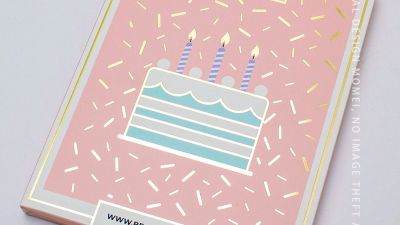
Customized Cosmetic Packaging Boxes with logos play a crucial role in enhancing brand identity and establishing a memorable presence in the competitive beauty industry. According to a study by the Packaging Association, nearly 70% of consumers report that packaging influences their purchasing decisions. The proposed packaging box, featuring a rectangular design in a striking red and gold color scheme, exemplifies the light luxury aesthetic that resonates with today’s consumers. The lamination process offers a pearly shine and a tactile warmth, making the product not just an item, but an experience that engages all senses.
The use of hot stamping technology for the illustrated cake pattern adds a layer of sophistication that sets the product apart. The contrasting golden hot stamping frame enhances visual appeal and suggests a sense of exclusivity that high-end beauty products necessitate. Additionally, the practical aspects of the packaging—its silent opening and closing mechanism alongside robust sealing—highlight how functionality can seamlessly integrate with aesthetic qualities. This perfect balance is crucial, as 60% of consumers prefer products that combine style with usability, reinforcing brand loyalty and encouraging repeat purchases.
Implementing such customized packaging is not merely an artistic choice but a strategic branding decision. As brands invest in visual identities that resonate with their target demographics, studies suggest that well-designed packaging can elevate brand perception by up to 30%. Therefore, investing in elegant, customized cosmetic packaging is essential for brands aiming to leave a lasting impression in an ever-evolving market.
FAQS
: The product aims to solve specific everyday problems. It enhances convenience and efficiency in daily tasks.
It uses a straightforward mechanism to deliver results. Users simply need to follow the basic instructions for operation.
Most users find it easy to use. However, some may require a learning period to maximize its potential.
The product is made of durable materials for longevity. Quality may vary, so it's essential to check details before purchasing.
Regular cleaning is recommended to ensure optimal performance. Users should avoid harsh chemicals that could damage parts.
Troubleshooting steps are usually provided. If issues persist, it’s advisable to seek customer support or consult the user manual.
Conclusion
In the ever-evolving market landscape of 2026, the importance of brand packaging has reached new heights. As consumer behavior shifts towards sustainability and innovation, brands must adapt their packaging strategies to meet these changing demands. Leveraging eco-friendly materials is no longer optional, as statistics show a significant rise in consumer preference for sustainable packaging options. Additionally, incorporating technology, such as augmented reality, can enhance customer engagement and create memorable experiences.
Moreover, the visual appeal of packaging remains crucial, with data revealing specific color and design choices that attract consumers. Brands must effectively measure the impact of their packaging through key metrics and KPIs to ensure their strategies resonate with target audiences. By learning from successful case studies in 2025, businesses can inspire their brand packaging innovations, ultimately paving the way for success in 2026 and beyond.