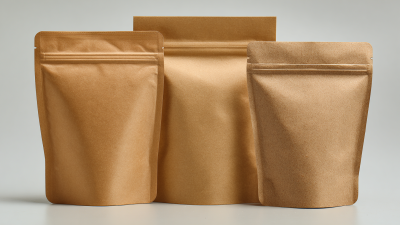
Lately, the packaging world has been going through some pretty exciting changes, and one trend that's really taken off is 'Folded Packaging.' If you’ve been paying attention, you know that the global market for folded cartons is expected to hit around $255 billion by 2024—pretty impressive, huh? This boom is mainly because consumers are craving packaging that's not just good-looking but also eco-friendly. Companies like Shaanxi Momei Printing Technology Co., Ltd. are right in the mix, making the most of this trend by combining smart planning, creative design, and customized printing to suit all kinds of customer needs. They offer a full package—from coming up with the original idea all the way to delivering the finished product—which helps make products pop visually and support sustainability efforts at the same time. In this blog, I’ll dig into what makes folded packaging such a game-changer, how it’s impacting market growth, and share some useful tips for businesses wanting to jump on this innovative packaging bandwagon.
Understanding Folded Packaging: Definition and Key Features
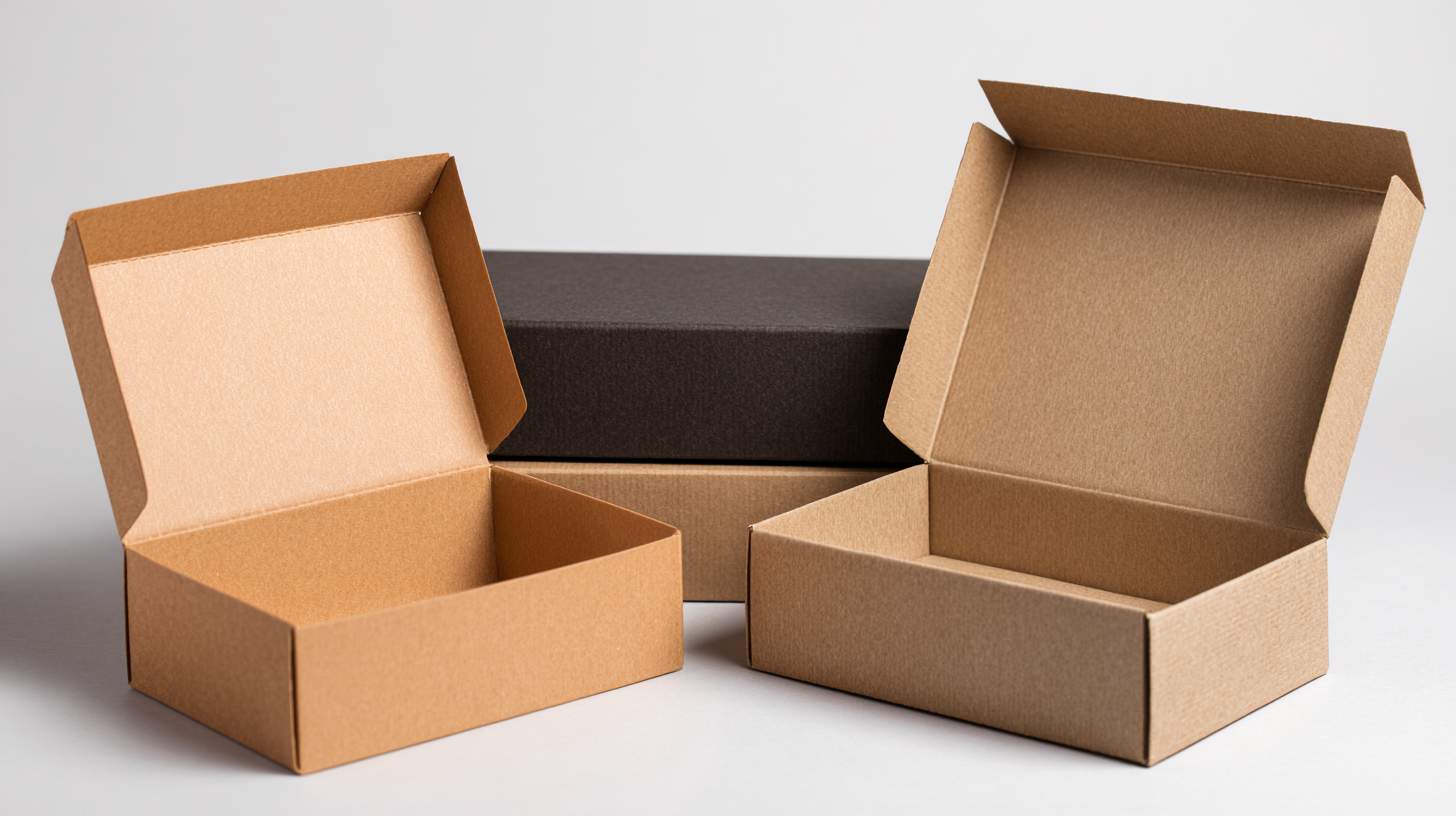
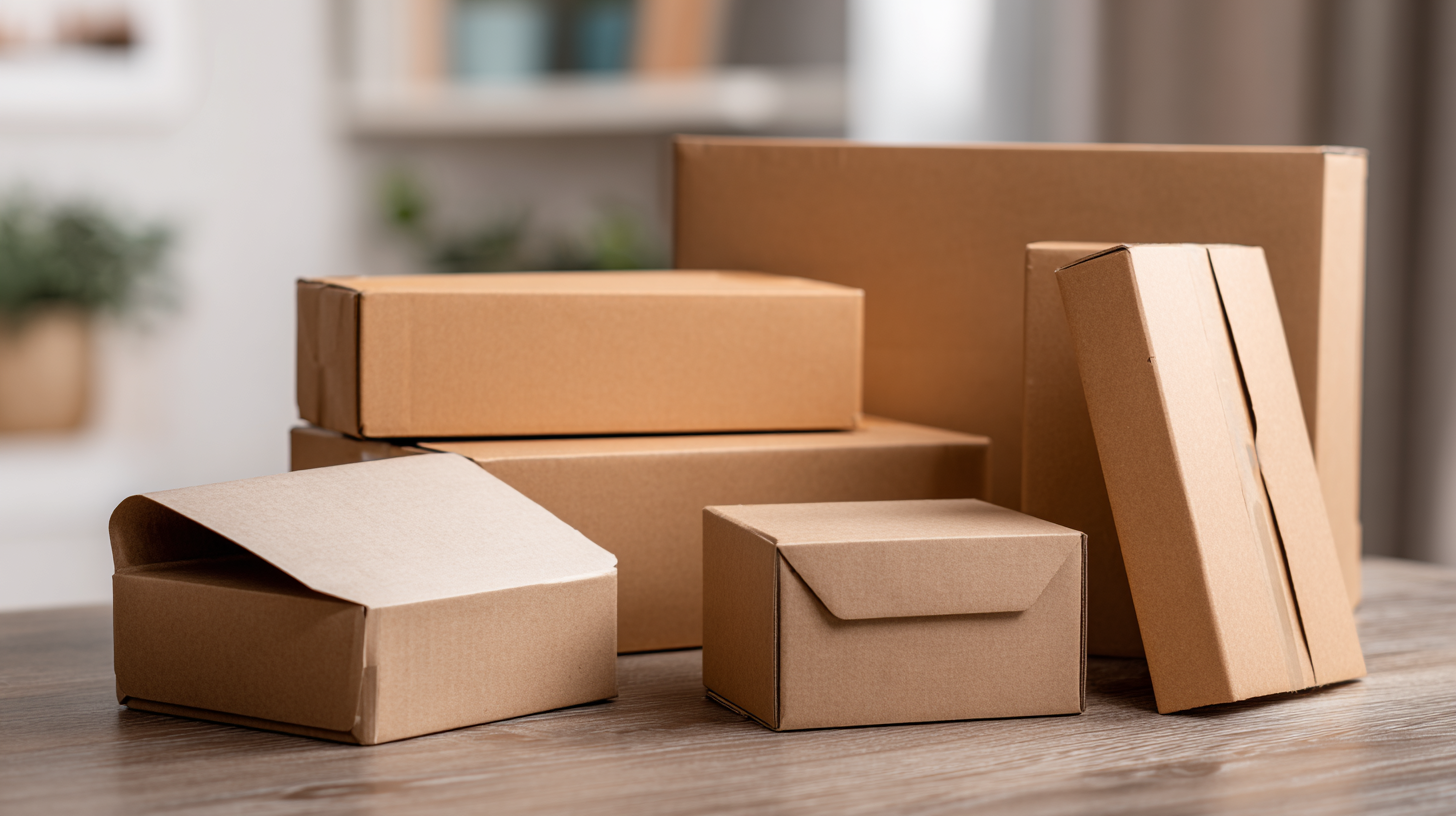
Folded packaging, you know, with its really cool design that not only saves space but also focuses on being eco-friendly, has become a huge trend driving growth in the packaging world. Usually made from materials like paperboard or cardboard, it's super easy to put together or take apart—meaning less waste during shipping, which is a win-win. Recent market reports predict the global folded packaging market could hit over $400 billion by 2025, growing around 4.5% each year. Not too shabby, right?
What really makes folded packaging stand out is how versatile it is. It can be customized for all kinds of stuff — from gadgets to beauty products. And honestly, switching to foldable packaging isn’t just about looks; it’s also a smart move for the planet. A study even shows that about 65% of consumers are willing to pay a bit extra for products that come in sustainable packaging. Looks like people are really starting to care about being eco-conscious.
Quick tip: When picking your folded packaging, think about using biodegradable materials. It’s a simple way to appeal to customers who care about the environment and cut down on waste.
Plus, innovative features like self-folding designs are really changing the game in how products look and are delivered. Companies that want to stay ahead should probably invest in R&D for smarter, more sustainable packaging tech that makes packing and unboxing a breeze.
One more tip: Always ask your customers for feedback on how easy and useful the packaging is. That way, you can keep tweaking it to better meet what folks want and keep your products competitive.
The Rising Demand for Folded Packaging in Various Industries
You know, folded packaging has really been taking center stage in the paper packaging world lately. It’s seen some pretty impressive growth, mainly because different industries are jumping on board. Honestly, recent reports suggest that the global paper packaging market could hit around $500 billion by 2027, and a good chunk of that share is thanks to folded packaging. What’s driving this surge? Well, it’s mainly because folded packaging is super versatile and eco-friendly, which seems to be a huge deal these days with consumers really caring about sustainability.
Industries like food and drinks, cosmetics, and electronics are definitely leading the way when it comes to embracing folded packaging solutions. The food and beverage sector, in particular, is expected to grow significantly—some analysts are talking about an annual growth rate of over 5% from 2021 through 2027. It makes sense—thanks to more online shopping, there's a real need for packaging that's not only protective but also looks good and enhances the whole customer experience. Plus, as brands focus more on using sustainable materials, demand for folded packaging keeps climbing. Everyone’s trying to do their part to cut down on environmental impact while still meeting all the rules and regulations.
Honestly, it’s pretty exciting to see how much this overall packaging trend is evolving—seems like folded options are here to stay, and for good reason.
Benefits of Folded Packaging: Sustainability and Cost-Effectiveness
Folded packaging has really taken off in the packaging world, and honestly, it’s a bit of a game-changer. More and more folks are looking for eco-friendly options these days, and folded packaging hits that mark perfectly. It’s usually made from recyclable materials, so it helps cut down on waste and lessens our environmental impact compared to traditional packaging methods. Brands that jump on this bandwagon not only catch the eye of eco-conscious consumers but also show they care about sustainability goals—plus, it’s good for business because it boosts their reputation.
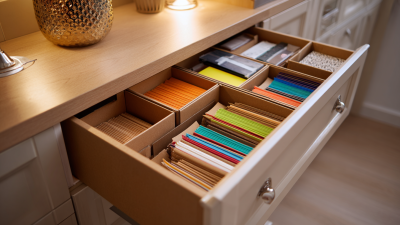
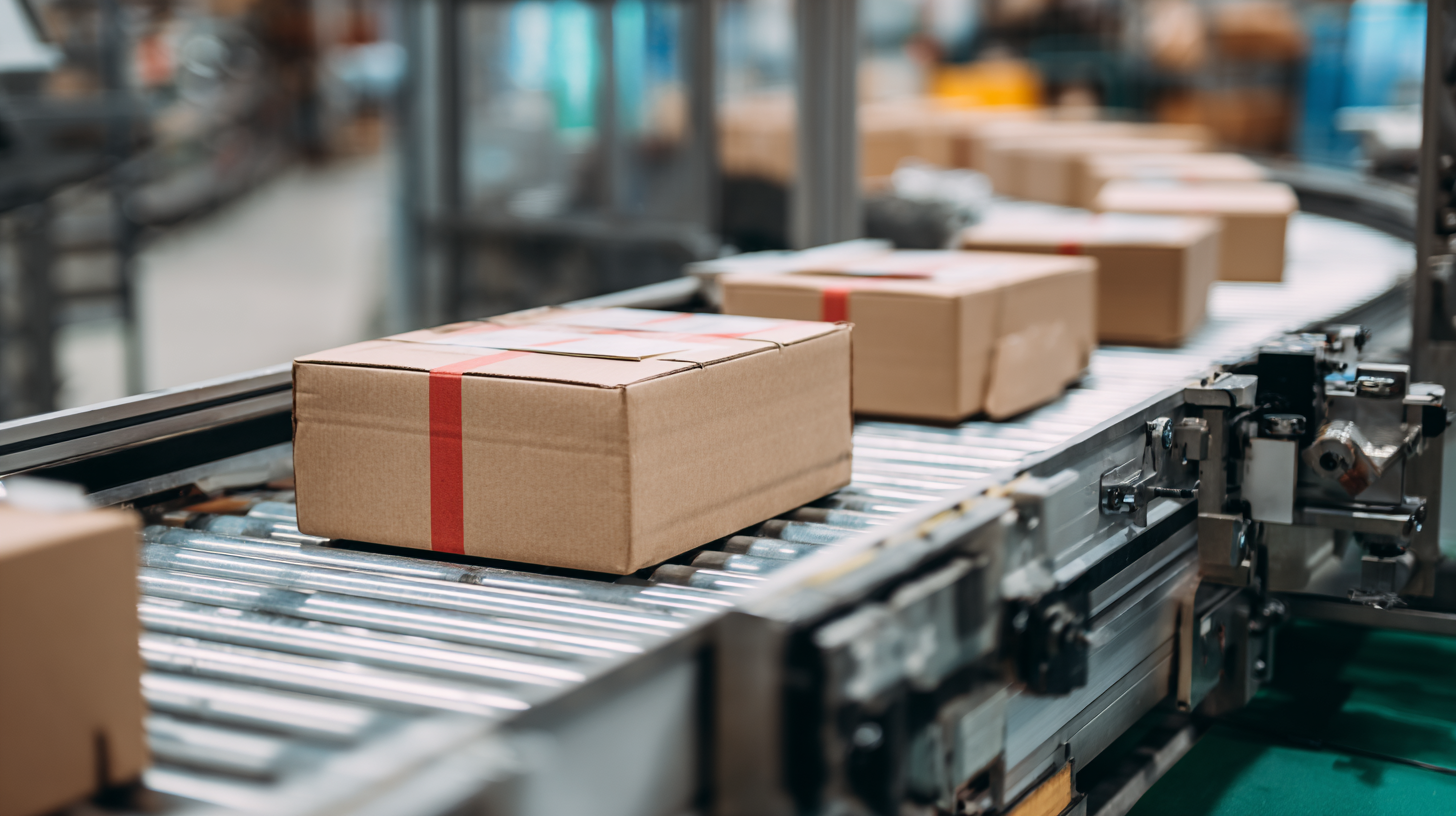
And let’s be honest, there’s more to it than just being green. Folded packaging is also a smart move financially. It’s super lightweight, which means shipping costs go down because you can fit more units in each shipment without paying extra. It’s also a snap to store since it folds flat—no clutter, just easier inventory management. Investing in folded packaging can really help companies cut down on operational costs while still offering a sleek, modern product that people love. So, it’s kinda a win-win all around.
What is Folded Packaging and Why is it Driving Growth in the Industry - Benefits of Folded Packaging: Sustainability and Cost-Effectiveness
| Dimension | Description | Impact |
| Sustainability | Folded packaging is typically made from recyclable materials, reducing environmental impact. | Increased consumer preference for eco-friendly products. |
| Cost-Effectiveness | Lower production costs due to the efficient use of materials. | Increased profit margins for companies using folded packaging. |
| Customization | Easily customizable designs and sizes to fit various products. | Enhanced branding and consumer attraction. |
| Lightweight | Reduced weight compared to traditional packaging, lowering shipping costs. | Improved supply chain efficiency and reduced carbon footprint. |
| Consumer Appeal | Attractive and interactive designs capture consumer interest. | Higher sales and customer engagement. |
Innovative Designs in Folded Packaging: Trends to Watch
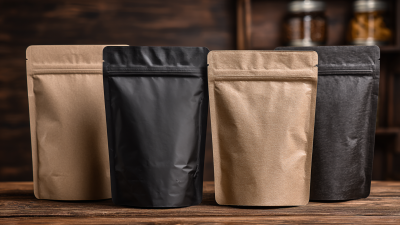
You know, when it comes to packaging these days, folded packaging is really shaking things up. It’s kind of like the perfect combo of being eco-friendly and looking sleek at the same time. One big trend that’s catching on is using materials that are easy to recycle or even compost—brands are finally catching on that consumers care about what’s good for the planet. So, they're jumping on the bandwagon, making packaging that not only protects what's inside but also helps reduce environmental trash. It’s a smart move, especially for companies wanting to boost their image and connect with eco-conscious buyers.
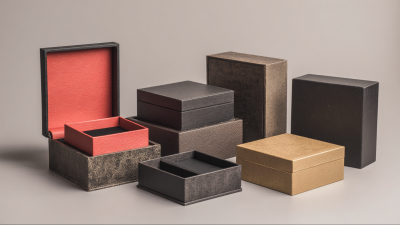
And here’s another cool shift: we’re seeing a lot more minimalistic and straightforward designs. Brands are going for that clean look and user-friendly structure that makes unboxing feel effortless, almost fun. Plus, these designs aren’t just good-looking—they also make storage and shipping way easier. Some are even cleverly telling a story or showcasing the brand through the packaging itself, turning it into a memorable part of the experience. As these trends keep evolving, it’s pretty clear that the industry is headed towards smarter, greener, and more consumer-friendly packaging options. Honestly, it’s kind of exciting to see how it all develops!”
Trends in Folded Packaging: Market Growth and Materials Used
Challenges and Solutions in Adopting Folded Packaging Solutions
Folded packaging is really starting to pick up some steam in the industry, mainly because it’s super versatile and eco-friendly. But let’s be honest, switching over isn’t always smooth sailing for businesses. One of the big hurdles is the upfront cost — you’ve got to invest in new machines and technology just to handle those folded designs. For small and medium-sized companies especially, that initial expense can be a real deterrent.
On top of that, there’s a pretty steep learning curve: understanding all the ins and outs of folded packaging isn’t exactly straightforward and often needs specialized skills for both designing and production.
Then there’s the supply chain side of things. Moving to folded packaging often means changing up where you source your materials and tweaking existing processes. Companies need to work closely with their suppliers to make sure they get the right materials on time, which can sometimes cause delays and push costs up. But here’s the thing — many businesses are tackling these challenges by forming partnerships and investing in training their teams. They’re really focusing on strategic planning and collaboration to make the transition smoother. In the end, if they stick with it, they can enjoy not just the benefits of reduced costs and waste, but also a more sustainable operation that’s better for the planet.
The Future of Folded Packaging: Predictions and Market Growth Factors
Folded packaging is really starting to make waves in the global market, and honestly, it’s easy to see why. It’s super versatile and budget-friendly, which catches the eye of tons of businesses. These days, with folks becoming more conscious about sustainability, companies are shifting gears toward more eco-friendly options, and folded paper boxes are definitely winning the race. They’re convenient too—lightweight, easy to stack, and store—which is a big plus, especially in industries like food and retail. By focusing on sustainability, folded packaging lines up perfectly with the big push to cut down on waste and use recyclable materials. It’s kind of a no-brainer, really.
Looking ahead, it’s pretty exciting — experts expect the folded packaging market to hit around $275 billion by 2033. That’s based on a steady growth rate of about 4.5% each year from 2025 onward. A lot of this growth is kind of obvious — the boom in online shopping and the fact that companies are really investing in customized packaging solutions. More and more, brands are seeing that packaging isn’t just about protecting products; it’s a key part of their branding and helping customers connect. Because of this, we’re probably going to see a lot more innovative designs and sustainable practices coming into play, which should keep pushing the market forward in the coming years.
FAQS
: Folded packaging is a type of packaging characterized by its design that maximizes space efficiency and sustainability. It is typically made from materials like paperboard and cardboard, and is designed for easy assembly and disassembly.
Folded packaging is gaining popularity due to its versatility, sustainability, and the growing consumer preference for eco-friendly products. It enhances product appeal while reducing environmental impact.
The global folded packaging market is projected to exceed $400 billion by 2025, with an annual growth rate of approximately 4.5%.
Industries such as food and beverages, cosmetics, and electronics are leading the demand for folded packaging solutions, primarily due to its protective and visually appealing qualities.
Folded packaging is designed to minimize waste, utilize recyclable materials, and cater to the rising consumer demand for sustainable options. A significant percentage of consumers are willing to pay more for sustainably packaged products.
Businesses should consider using biodegradable materials to appeal to eco-conscious consumers and reduce their environmental footprint. Also, gathering customer feedback on packaging usability can help refine design and functionality.
Future trends in the folded packaging market include continued growth driven by e-commerce, demand for customized solutions, and increased investment in innovative and sustainable packaging designs.
The food and beverage sector is expected to see significant growth in folded packaging, with predictions of a CAGR of over 5% from 2021 to 2027, largely due to the increasing need for durable and attractive packaging amid the rise of e-commerce.
Folded packaging is cost-effective due to its lightweight nature and ease of storage, which reduces shipping costs and storage space requirements for businesses.
Consumer experience is vital because packaging not only protects the product but also serves as an essential component of branding, affecting customers' purchasing decisions and overall satisfaction.
Conclusion
Folded packaging is really becoming a key player in the packaging industry these days. I mean, it’s pretty amazing how versatile and innovative it’s become across so many different sectors. Not only does it help cut down on material waste, making it more sustainable, but it also saves money—something businesses definitely appreciate when they’re trying to be efficient. And with all these fresh, creative designs popping up, companies can now craft packaging that’s not just practical but also catches the eye and appeals to what consumers want.
Of course, jumping into folded packaging isn’t without its hiccups—things like complex manufacturing processes and the initial costs can be a bit intimidating. But honestly, the advantages totally make up for the early challenges. As more folks look for eco-friendly and customized options, I really believe folded packaging is heading toward some serious growth. And Shaanxi Momei Printing Technology Co., Ltd. is right there leading the charge. They cover everything from design to delivery, making sure businesses get top-notch, tailored packaging solutions in this fast-evolving world.