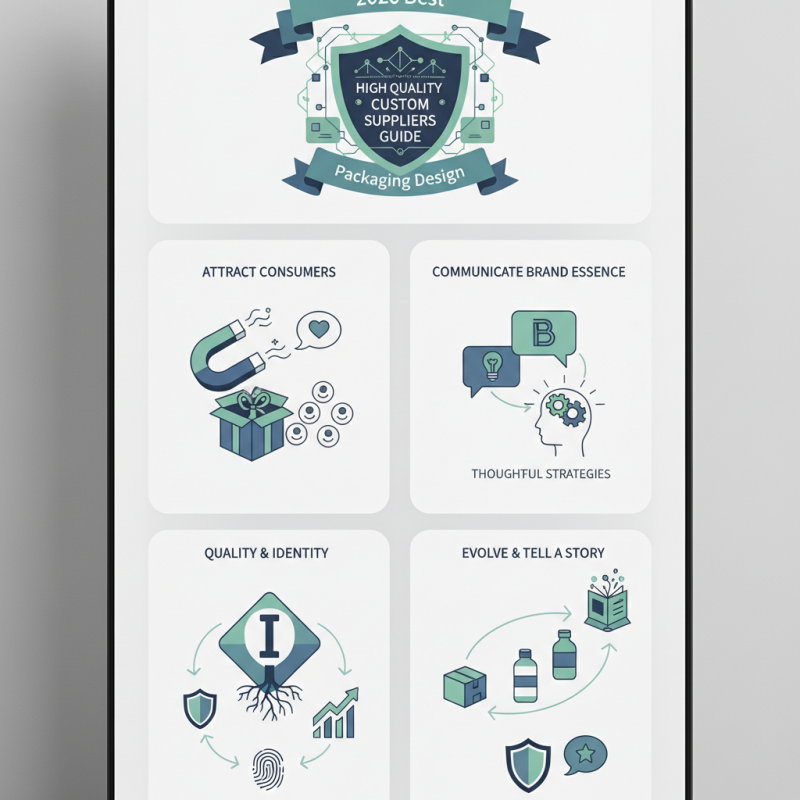
In the fast-paced world of retail, having a catchy Brand Packaging Design can really make a difference when it comes to grabbing customers' attention. Experts like Lisa Williams from Creative Package Solutions often say, "Good design should really capture what your brand’s all about." That honestly shows just how important it is to have thoughtful, yet effective packaging strategies that truly speak to your audience.
Finding the perfect supplier for custom packaging? That’s not always a walk in the park. A lot of brands struggle to keep quality high while also trying to stand out in a crowded market. Bad packaging can actually hurt your brand's image and leave people feeling confused. So, it’s pretty crucial for companies to spend some quality time understanding what their customers really care about.
Let’s not forget, quality really does matter in "Brand Packaging Design." A good package isn’t just about looking nice—it should mirror what your brand stands for and what you value. Yet, surprisingly, many folks tend to overlook how important consistency is in their packaging. As trends change, brands often need to revisit their design ideas and find suppliers who 'get' these shifts. At the end of the day, a great package does more than just protect your product; it tells a story and connects with people on a deeper level.
Custom brand packaging is essential in today's retail landscape. A well-designed package can influence buying decisions. According to a report by Packaging Strategies, 72% of consumers say packaging design influences their purchasing choice. Customization resonates with customers, making them feel valued and understood.
Many brands overlook the packaging quality, which can impact their perceived value. In fact, 63% of consumers prefer brands that offer more sustainable packaging options. However, packaging that is too unique may confuse customers. Striking the right balance is crucial. The design must reflect the brand identity while remaining functional.
Also, a study by The Paper and Packaging Board reveals that 51% of consumers are likely to repeat purchase from brands with attractive packaging. Yet, some companies still stick with generic designs. They miss opportunities for engagement. Retailers should regularly reassess their packaging strategies to meet evolving consumer expectations.
When considering high-quality packaging design, businesses should focus on several key features. A study by Smithers Pira reveals that packaging design influences purchase decisions for 72% of consumers. This statistic underscores the importance of creative and functional Brand Packaging. Unique visual elements, combined with effective branding, can significantly elevate a product’s market presence.
Durability is another critical aspect. Packaging must protect the product during transportation and storage. According to a recent report by Packaging Strategies, companies could face losses of up to 15% due to damaged goods caused by inadequate packaging. Choosing materials that withstand various conditions is essential for maintaining product integrity.
Sustainability has also become a priority. Customers increasingly prefer eco-friendly packaging options. A recent survey indicates that over 60% of consumers are willing to pay more for sustainable packaging solutions. Businesses must reflect on their packaging choices and consider incorporating recycled or biodegradable materials. This shift not only meets consumer demand but can also boost brand loyalty.
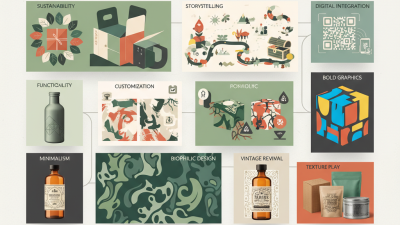
As we move into 2026, brand packaging design is evolving rapidly. Sustainable materials are becoming a central focus. Many designs now use biodegradable substances, allowing brands to reduce environmental impact. Consumers are more conscious than ever. They seek packaging that reflects their values. Brands must adapt or risk losing relevance.
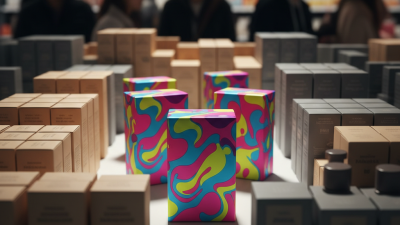
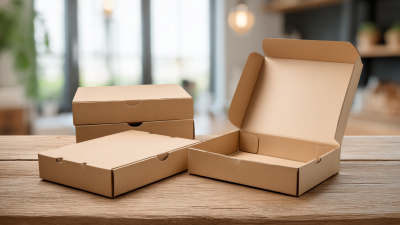
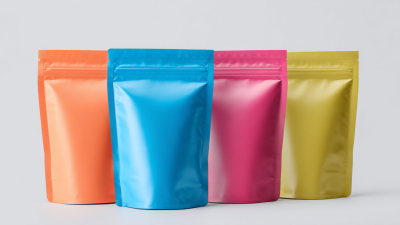
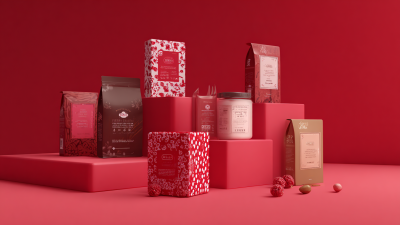
Box Packaging Design is also seeing innovative visuals. Bold colors and striking patterns stand out on shelves. Minimalist aesthetics remain popular but with a twist. Using unique shapes can create memorable unboxing experiences. Yet, not all designs resonate. It's crucial to understand target audiences deeply. Many brands struggle here, leading to misaligned choices.
Personalization is another key trend. Custom designs cater to individual tastes, enhancing consumer connection. However, this requires careful planning and insight. Some brands may jump in without sufficient research. The balance between creativity and practicality is vital. Finding the sweet spot can enhance brand loyalty.
In the dynamic world of custom brand packaging, choosing the right supplier is crucial. According to industry research, packaging design influences around 72% of purchase decisions. This statistic highlights the importance of effective design. Leading suppliers adopt innovative techniques to create eye-catching packaging. They leverage sustainable materials while maintaining quality and aesthetics.
However, not every supplier achieves excellence. Some fall short in delivering on-time results. A recent report indicated that 25% of brands experienced delays in packaging delivery. This can seriously affect marketing campaigns. Quality control also remains a concern. Experts argue that inconsistency in designs can tarnish brand reputation.
Tip: Research suppliers thoroughly. Look for client reviews and case studies to gauge their reliability. Also, consider requesting samples before placing bulk orders. Understand their production capabilities and timescales upfront. Building a strong relationship with your supplier can lead to better communication and results. Keep an eye on emerging trends to ensure your packaging stands out.
When considering custom packaging solutions, various cost factors come into play. Materials are a major influence. Choosing between cardboard, plastic, or luxury finishes can significantly impact the budget. High-end materials might elevate product perception but can make budgets tight.
Labor costs also deserve attention. Skilled workers are essential for precise Food Packaging Design. The more intricate the design, the higher the labor required. For example, a unique box shape may need more time to create. Even simple designs can require careful planning and adjustments.
Additionally, order volume affects pricing. Bulk orders usually reduce costs per unit. However, smaller runs can lead to higher expenses. This can result in less flexibility for new brands testing the market. Brands might hesitate to invest in custom designs, fearing financial risks. These aspects highlight the importance of a thoughtful approach in custom packaging strategies.
| Supplier Type | Production Capacity (Units/day) | Average Lead Time (Days) | Customization Options | Price Range (per unit) |
|---|---|---|---|---|
| Eco-Friendly Packaging | 5,000 | 20 | Biodegradable Materials, Custom Sizes | $0.30 - $1.00 |
| Luxury Packaging | 1,000 | 30 | Foil Stamping, Custom Inserts | $2.00 - $5.00 |
| Food Packaging | 10,000 | 15 | Tamper-Proof, Custom Labels | $0.50 - $1.50 |
| Cosmetic Packaging | 3,000 | 25 | Custom Shapes, Airless Bottles | $1.00 - $3.00 |
| Retail Packaging | 8,000 | 10 | Point of Sale Design, Multi-Pack Options | $0.80 - $2.00 |
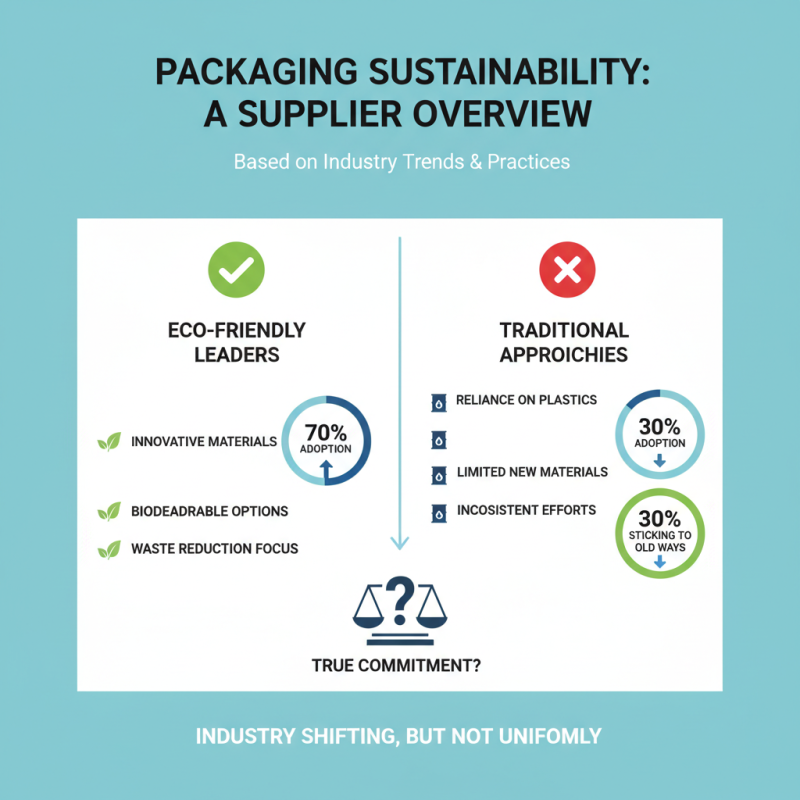
In recent years, sustainability has become a crucial consideration for packaging suppliers. Many companies are shifting toward eco-friendly practices. They are exploring innovative materials that reduce waste. Biodegradable options have gained popularity. However, not all suppliers are fully committed. Some still rely heavily on traditional plastics. This inconsistency raises questions about their true sustainability efforts.
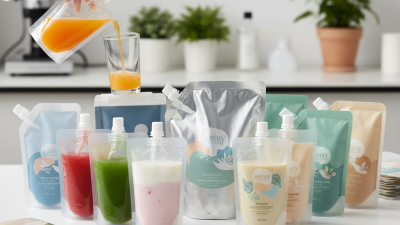
Food Design Packaging is an area where sustainable practices can shine. Many suppliers offer compostable materials that are safe for food products. Yet, some designs lack durability, leading to issues during transport. There’s a need for improvement here. Packaging must be both functional and eco-friendly. Consumers increasingly demand transparency in sourcing. They want to know the lifecycle of packaging materials. This presents an opportunity for suppliers to innovate and stand out.
Recyclable packaging is another essential aspect. Some suppliers invest in better recycling programs, but they often face challenges. Not all communities have access to proper recycling facilities. This gap complicates the success of their initiatives. Suppliers should focus on education and awareness. The goal should be to promote sustainable practices within the full supply chain. By doing so, they can enhance their image while contributing to a greener future.
Choosing the right packaging supplier requires careful evaluation. Start by reviewing their certifications. Look for industry-recognized standards. Certifications often indicate reliability and commitment to quality. A supplier with the right credentials is likely to deliver. However, certifications do not guarantee success. Some suppliers may have impressive certificates but fail to meet deadlines.
Client testimonials provide additional insights. Reading reviews can help assess a supplier's reputation. Look for feedback about their responsiveness and communication. A few positive testimonials are good. But a significant number is better. Beware of red flags, such as vague reviews or overly polished language. Genuine feedback often includes specific details.
Consider the supplier's past projects. Examine their portfolio closely. Look for diversity and creativity in design. Make note of any recurring issues mentioned in reviews. This could signal persistent problems. A supplier may look great on paper but underperform in real situations. Balancing certifications and client feedback is key to making an informed choice.
: Custom branding can influence buying decisions significantly. It makes consumers feel valued and understood.
Packaging quality impacts perceived value. Consumers often choose brands with sustainable packaging options.
Unusual designs can confuse customers. A balance must be maintained for effective communication.
Trends include sustainable materials and innovative visuals. Bold colors and unique shapes catch consumer attention.
Custom designs enhance consumer connection. Brands must research to avoid misalignments with target audiences.
Different materials, like cardboard versus luxury finishes, can impact budget significantly. High-quality options may strain finances.
Skilled labor is vital for intricate designs. The complexity of design affects labor costs directly.
Bulk orders usually lower unit costs, while small orders can be more expensive. This affects flexibility for new brands.
Brands may hesitate due to financial risks. A thoughtful approach is essential to mitigate these concerns.
Regularly reassessing strategies helps meet evolving consumer expectations and enhances engagement with the audience.
In the competitive landscape of modern retail, the importance of high-quality Brand Packaging Design cannot be overstated. Custom packaging not only captures consumer attention but also enhances brand identity and ensures product protection. As we look ahead to 2026, key features to prioritize in packaging design include functionality, aesthetics, and sustainability. Emerging trends, such as minimalist designs and eco-friendly materials, reflect a shift towards environmentally conscious consumerism.
An effective assessment of packaging design suppliers should involve a comparative analysis of their offerings, taking into consideration cost factors, sustainability practices, and supplier credentials, including certifications and client testimonials. This comprehensive approach enables businesses to select packaging partners that align with their brand values and operational goals, ultimately enhancing their overall market presence.